


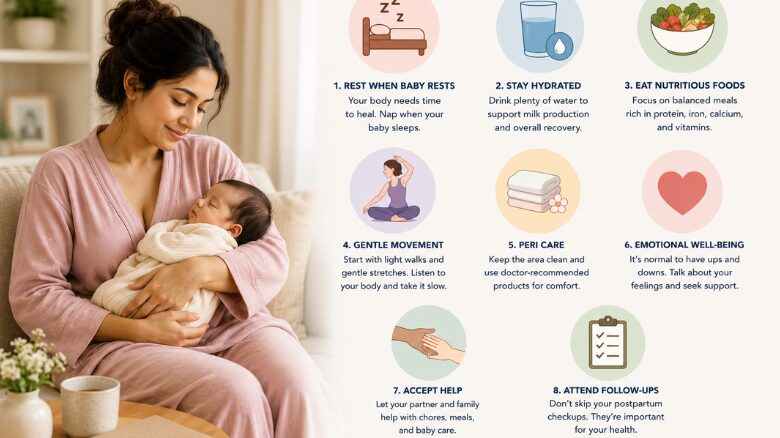
Bringing a new baby into the world is a beautiful and life-changing experience. While much attention is given to pregnancy and childbirth, the postpartum period is equally important for a mother's physical and emotional well-being. The weeks and months following delivery are a time of healing, adjustment, and recovery. Understanding the right postpartum recovery tips can help new mothers regain strength, reduce complications, and enjoy a smoother transition into motherhood.
Every woman's recovery journey is unique. Whether you have had a vaginal birth or a cesarean section, giving your body the care and time it needs is essential for long-term health.
Understanding the Postpartum Period
The postpartum period, often called the "fourth trimester," begins immediately after childbirth and typically lasts for six weeks, although complete recovery may take several months. During this time, your body undergoes significant hormonal, physical, and emotional changes as it returns to its pre-pregnancy state.
Following proper postpartum recovery tips can support healing while helping mothers adapt to the demands of caring for a newborn.
Prioritize Rest Whenever Possible
One of the most valuable postpartum recovery tips is getting adequate rest. Although caring for a newborn often means interrupted sleep, taking naps when your baby sleeps can help your body recover more efficiently.
Family members and partners can assist with household tasks and baby care, allowing mothers to focus on healing.
1.Eat a Nutritious Diet
A healthy diet plays a crucial role in postpartum recovery. Nutrient-rich foods provide the energy needed for healing and breastfeeding while supporting overall health.
Include foods such as:
- Fresh fruits and vegetables
- Whole grains
- Lean proteins
- Dairy products
- Nuts and seeds
- Iron-rich foods
- Foods high in calcium and Vitamin D
Drinking plenty of water is equally important, especially for breastfeeding mothers.
2.Take Care of Your Perineal Area
Women who have had a vaginal delivery may experience soreness or discomfort around the perineum. Proper hygiene helps prevent infection and promotes healing.
Simple postpartum recovery tips include:
- Keeping the area clean and dry
- Using warm water to cleanse after urination
- Changing sanitary pads regularly
- Applying cold packs during the first few days if recommended by your doctor
Always follow your healthcare provider's instructions for wound care.
3.Recovering After a Cesarean Section
Mothers who deliver by cesarean section require additional recovery time. Avoid lifting heavy objects, follow wound care instructions carefully, and attend all follow-up appointments.
Watch for signs of infection such as redness, swelling, fever, or unusual discharge from the incision site, and seek medical attention if these occur.
4.Begin Gentle Physical Activity
Although rest is important, light movement also supports healing. Short walks improve blood circulation, reduce the risk of blood clots, and enhance overall recovery.
Before starting any exercise routine, consult your doctor to ensure your body is ready.
Gentle stretching and pelvic floor exercises may also help strengthen muscles weakened during pregnancy and childbirth.
5.Support Emotional Well-Being
Hormonal changes after childbirth can affect mood and emotions. Many women experience temporary "baby blues," which usually improve within two weeks.
However, persistent sadness, anxiety, hopelessness, or difficulty bonding with your baby may indicate postpartum depression.
One of the most essential postpartum recovery tips is seeking emotional support from family, friends, or healthcare professionals whenever needed.
6.Breastfeeding and Self-Care
Breastfeeding offers numerous health benefits for both mother and baby. However, it may take time to establish a comfortable feeding routine.
To make breastfeeding easier:
- Maintain proper positioning
- Stay hydrated
- Eat balanced meals
- Wear supportive nursing bras
- Seek guidance from a lactation consultant if necessary
Remember that caring for yourself is just as important as caring for your baby.
7.Attend Postpartum Check-Ups
Regular follow-up appointments allow your doctor to monitor healing and identify any complications early.
Your healthcare provider will assess:
- Uterine recovery
- Blood pressure
- Healing of stitches or surgical wounds
- Emotional well-being
- Breast health
- Family planning needs
Routine check-ups are an important part of successful postpartum recovery.
8.Watch for Warning Signs
Seek immediate medical care if you experience:
- Heavy vaginal bleeding
- High fever
- Severe abdominal pain
- Chest pain or difficulty breathing
- Foul-smelling vaginal discharge
- Severe headaches
- Pain or swelling in the legs
- Persistent feelings of depression or thoughts of self-harm
Prompt medical attention can prevent serious complications.
9.Accept Help from Others
Many new mothers feel pressure to manage everything independently. Accepting help from loved ones can reduce stress and allow you to focus on recovery.
Whether it's preparing meals, caring for the baby, or helping with household chores, support plays a vital role in the healing process.
10.Be Patient with Your Body
Recovery after childbirth takes time. Avoid comparing yourself with others or expecting immediate physical changes.
Following healthy postpartum recovery tips, maintaining realistic expectations, and celebrating small milestones can make the recovery journey more positive and fulfilling.
Conclusion
The postpartum period is a time of healing, adjustment, and new beginnings. Following practical postpartum recovery tips such as getting enough rest, eating nutritious foods, staying hydrated, attending medical check-ups, and caring for your emotional health can significantly improve recovery after childbirth. Every mother's experience is different, and seeking professional guidance whenever concerns arise is essential for ensuring both maternal and newborn well-being.
Harsha Hospitals is committed to supporting mothers beyond childbirth through comprehensive postpartum care, lactation support, and personalized women's health services. Our experienced obstetricians and healthcare team are dedicated to helping every mother recover safely and confidently.