


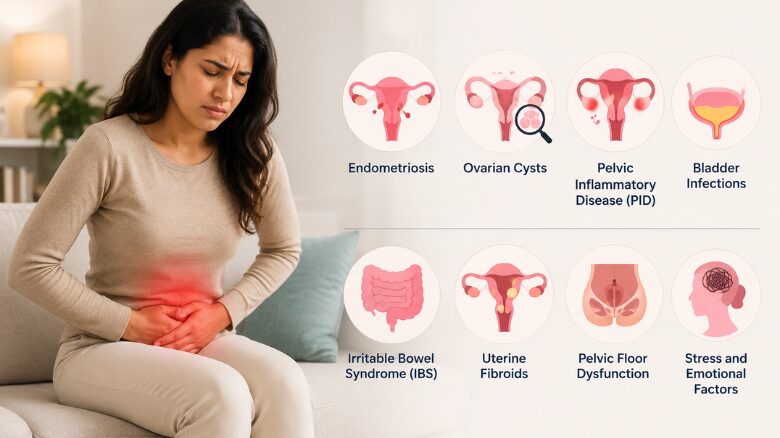
Pelvic pain is a common health concern that affects women of all ages. It may range from a mild, occasional discomfort to severe, persistent pain that interferes with daily activities. While some cases are temporary and harmless, others may indicate an underlying medical condition that requires prompt diagnosis and treatment. Understanding the causes of pelvic pain in women is essential for seeking timely medical care and preventing potential complications.
Pelvic pain can originate from the reproductive organs, urinary tract, digestive system, or muscles and ligaments in the pelvic region. Identifying the exact cause often requires a thorough medical evaluation, including physical examinations, imaging tests, and laboratory investigations.
What Is Pelvic Pain?
Pelvic pain refers to discomfort felt in the lower abdomen or pelvis, below the belly button. It may be sharp, dull, cramping, constant, or intermittent. Some women experience pelvic pain during menstruation, while others may notice it during urination, bowel movements, sexual intercourse, or pregnancy.
Since there are many causes of pelvic pain in women, it is important not to ignore persistent or recurring symptoms.
Menstrual Cramps (Dysmenorrhea)
One of the most common causes of pelvic pain in women is menstrual cramps. During menstruation, the uterus contracts to shed its lining, causing pain that may radiate to the lower back and thighs.
Symptoms include:
- Lower abdominal cramping
- Back pain
- Nausea
- Fatigue
- Headaches
While mild cramps are normal, severe pain may indicate another underlying condition.
Endometriosis
Endometriosis occurs when tissue similar to the uterine lining grows outside the uterus. This condition often causes severe pelvic pain, especially during menstruation.
Other symptoms include:
- Pain during intercourse
- Heavy menstrual bleeding
- Infertility
- Painful bowel movements
- Chronic pelvic discomfort
Endometriosis is one of the leading causes of pelvic pain in women and often requires long-term medical management.
Pelvic Inflammatory Disease (PID)
Pelvic inflammatory disease is a bacterial infection affecting the uterus, fallopian tubes, and ovaries. It commonly develops due to untreated sexually transmitted infections.
Symptoms may include:
- Persistent pelvic pain
- Fever
- Abnormal vaginal discharge
- Pain during intercourse
- Painful urination
Early diagnosis and antibiotic treatment are essential to prevent infertility and other complications.
Ovarian Cysts
Ovarian cysts are fluid-filled sacs that develop on the ovaries. Most cysts are harmless and disappear naturally, but larger cysts or ruptured cysts can cause significant pelvic pain.
Common symptoms include:
- Sharp lower abdominal pain
- Bloating
- Irregular periods
- Pain during physical activity
Routine pelvic examinations can help detect ovarian cysts before complications arise.
Uterine Fibroids
Fibroids are non-cancerous growths that develop within or around the uterus. Depending on their size and location, they may cause pelvic pressure or pain.
Additional symptoms include:
- Heavy menstrual bleeding
- Frequent urination
- Constipation
- Lower back pain
- Enlarged abdomen
Fibroids are among the common causes of pelvic pain in women, particularly during the reproductive years.
Urinary Tract Infections (UTIs)
A urinary tract infection can cause pain in the lower abdomen or pelvic region, especially during urination.
Symptoms include:
- Burning sensation while urinating
- Frequent urge to urinate
- Cloudy urine
- Pelvic discomfort
- Fever in severe cases
Prompt treatment with antibiotics usually resolves the infection effectively.
Polycystic Ovary Syndrome (PCOS)
PCOS is a hormonal disorder that affects ovulation and reproductive health. Some women experience pelvic discomfort due to enlarged ovaries or ovarian cysts.
Other symptoms include:
- Irregular menstrual cycles
- Acne
- Excess facial hair
- Weight gain
- Difficulty conceiving
Early diagnosis helps manage symptoms and reduce long-term health risks.
Pregnancy-Related Causes
Certain pregnancy-related conditions can also contribute to pelvic pain.
These include:
- Round ligament pain
- Miscarriage
- Ectopic pregnancy
- Preterm labor
Any pelvic pain during pregnancy should be evaluated promptly by a healthcare provider to ensure the safety of both mother and baby.
Digestive Disorders
Not all causes of pelvic pain in women originate from the reproductive system. Digestive conditions such as irritable bowel syndrome (IBS), constipation, inflammatory bowel disease, and appendicitis may also cause lower abdominal discomfort.
Associated symptoms may include:
- Bloating
- Diarrhea
- Constipation
- Nausea
- Abdominal cramps
Proper diagnosis helps distinguish digestive disorders from gynecological conditions.
Musculoskeletal Problems
Pelvic pain may also result from muscle strain, joint disorders, or injuries affecting the pelvic floor muscles and surrounding ligaments.
Women who participate in strenuous physical activity or have recently given birth may experience musculoskeletal pelvic pain that improves with physical therapy and appropriate treatment.
When Should You See a Doctor?
Seek immediate medical attention if pelvic pain is accompanied by:
- Severe or sudden pain
- Heavy vaginal bleeding
- Fever or chills
- Dizziness or fainting
- Persistent vomiting
- Pain during pregnancy
- Difficulty urinating
Even mild but recurring pelvic pain should be evaluated to identify the underlying cause and prevent complications.
Preventing Pelvic Pain
Although not every condition can be prevented, healthy habits can lower the risk of several causes of pelvic pain in women.
Preventive measures include:
- Maintaining good personal hygiene
- Practicing safe sex
- Attending regular gynecological check-ups
- Eating a balanced diet
- Exercising regularly
- Managing stress effectively
- Seeking prompt treatment for infections
Conclusion
There are numerous causes of pelvic pain in women, ranging from normal menstrual cramps to more serious medical conditions such as endometriosis, pelvic inflammatory disease, ovarian cysts, and fibroids. Because pelvic pain can have many different causes, early evaluation by a qualified gynecologist is essential for accurate diagnosis and effective treatment. Ignoring persistent symptoms may lead to complications that affect fertility and overall health.
Harsha Hospitals provides expert gynecological care with advanced diagnostic services and personalized treatment plans for women experiencing pelvic pain and other reproductive health concerns. Our experienced specialists are dedicated to helping women achieve better health through compassionate care and timely intervention.