


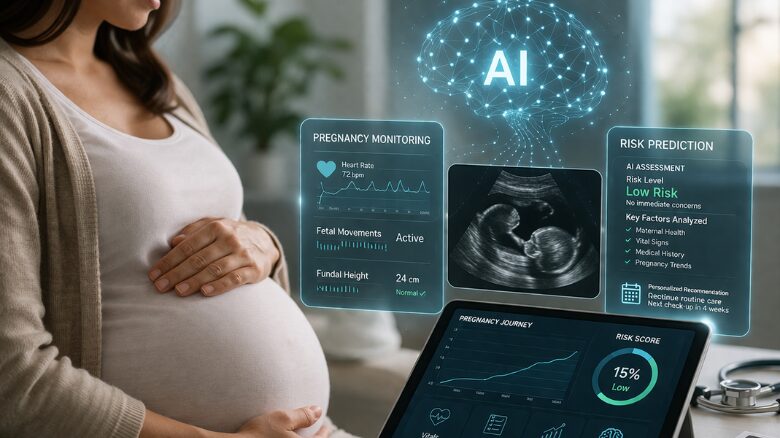
Pregnancy is a dynamic physiological journey, and while most proceed without incident, complications can arise rapidly. Historically, prenatal care has relied on periodic, point-in-time checkups. However, this intermittent approach can miss subtle, early warning signs of distress. Artificial intelligence (AI) is transforming this landscape, moving obstetrics toward continuous monitoring and predictive, personalized care that protects both mother and baby.
Continuous, Non-Invasive Monitoring
The integration of AI with wearable technology and smart sensors has revolutionized how clinicians monitor maternal and fetal well-being outside the hospital setting.
- Fetal Heart Rate Analysis: Standard cardiotocography (CTG) monitors trace the fetal heartbeat and uterine contractions, but interpreting these graphs can be subjective. AI algorithms trained on millions of past birth records can analyze fetal heart rate patterns in real time. They detect subtle decelerations or loss of variability that might indicate fetal distress, alerting clinicians long before irreversible damage occurs.
- Wearable Maternal Sensors: Smart rings, patches, and bands can continuously track a pregnant person's vital signs, including continuous blood pressure, heart rate variability, sleep patterns, and skin temperature. AI models process this streams of continuous data to establish an individualized baseline, flagging even minor deviations that could signal early complications.
Predicting High-Risk Complications Before They Happen
One of AI’s most profound contributions to maternal-fetal medicine is its ability to predict complications early in pregnancy, allowing for timely preventative interventions.
-
Preeclampsia Prediction
Preeclampsia—a dangerous condition characterized by high blood pressure and organ damage—is a leading cause of maternal and neonatal mortality worldwide. AI platforms analyze a combination of early-pregnancy data, including electronic health records, baseline blood pressure readings, and biomarkers from blood tests. These algorithms can identify patients at high risk for developing preeclampsia weeks before any symptoms appear, enabling doctors to prescribe low-dose aspirin or implement close monitoring protocols.
-
Gestational Diabetes Management
AI models use historic patient data, dietary habits, and early continuous glucose monitoring to predict which patients are likely to develop gestational diabetes. For patients who already have the condition, AI-powered apps analyze blood sugar patterns alongside meals to offer personalized, real-time advice on insulin dosing and dietary adjustments, preventing dangerous glycemic spikes.
-
Preterm Birth Prevention
By analyzing electronic health data, previous pregnancy history, cervical length measurements, and even subtle changes in uterine electrical activity, machine learning models can calculate the risk of spontaneous preterm birth. If the risk is high, interventions such as progesterone therapy or cervical cerclage can be deployed early.
The Future of Prenatal Care
By shifting from a one-size-fits-all model to an AI-augmented framework, obstetrics is becoming significantly more precise. AI acts as an always-on assistant, turning overwhelming amounts of clinical data into actionable insights. This continuous oversight not only improves clinical outcomes but also offers expectant parents profound peace of mind, knowing that potential risks are being anticipated and managed at every step of their journey.
Conclusion
Pregnancy care at Harsha Hospitals moves beyond routine prenatal checkups. Using advanced tracking technologies and real-time data analysis, our obstetrics team creates precise health profiles for both mother and child. We closely track markers like blood glucose, blood pressure, and fetal development to anticipate risks like gestational diabetes or preeclampsia early. This proactive approach allows us to intervene quickly, ensuring a secure journey and a safe delivery.