


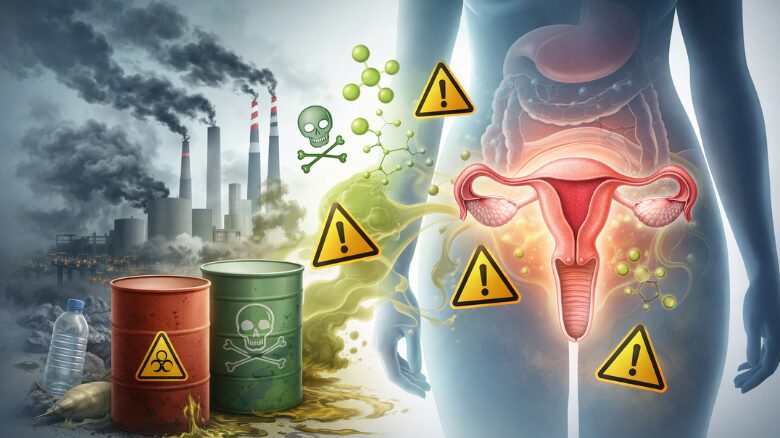
Modern life exposes us to a dizzying array of chemical substances. While many offer convenience, a growing body of scientific research highlights a hidden cost: the detrimental impact of environmental toxins on women's gynecological and reproductive health. Many of these chemicals act as endocrine-disrupting chemicals (EDCs), subtly mimicking, blocking, or altering the natural hormones that regulate the female reproductive system.
Understanding Endocrine Disruptors
EDCs are pervasive in everyday products. They do not behave like traditional poisons that cause immediate illness; instead, they alter the subtle chemical messaging system of the body over time. Because the female reproductive cycle relies on precise, timed hormonal shifts, even minute exposures to EDCs can disrupt this balance.
The most common environmental toxins affecting gynecological health include:
- Phthalates: Used to soften plastics and extend the life of fragrances, phthalates are found in perfumes, lotions, cosmetics, and plastic food packaging.
- Bisphenols (BPA, BPS): Found in hard plastics, the linings of canned foods, and thermal receipt paper.
- Parabens: Used as preservatives in cosmetics, shampoos, and skincare products.
- Heavy Metals: Lead, mercury, and cadmium, which can accumulate in water supplies, soil, and certain foods.
Gynecological Conditions Linked to Toxins
The consequences of cumulative toxin exposure manifest in several major gynecological disorders:
-
Endometriosis and Uterine Fibroids
Both endometriosis and fibroids are highly sensitive to estrogen. EDCs like BPA and certain phthalates are "xenoestrogens"—compounds that mimic estrogen in the body and bind to estrogen receptors. This artificial stimulation can promote the growth of fibroid tissue and exacerbate the proliferation and inflammation of endometrial lesions outside the uterus, leading to chronic pelvic pain and fertility challenges.
-
Polycystic Ovary Syndrome (PCOS)
Studies show that women with PCOS often have higher levels of BPA in their blood compared to those without the condition. EDCs contribute to insulin resistance and trigger metabolic dysregulation, which stimulates the ovaries to overproduce androgens, disrupting normal ovulation and causing irregular menstrual cycles.
-
Early Menopause and Ovarian Aging
Exposure to certain industrial chemicals, such as polychlorinated biphenyls (PCBs) and pesticides, has been linked to toxic effects on the ovaries. These chemicals can accelerate the depletion of the ovarian follicle pool, leading to diminished ovarian reserve and earlier onset of menopause.
Minimizing the Toxic Burden
While it is impossible to avoid all environmental toxins, conscious lifestyle adjustments can dramatically lower your body's toxic burden:
- Choose Clean Personal Care: Opt for cosmetics, deodorants, and shampoos that are explicitly labeled as paraben-free, phthalate-free, and fragrance-free.
- Re-evaluate Food and Water Storage: Swap plastic food containers and water bottles for glass, stainless steel, or ceramic alternatives. Never microwave food in plastic containers, as heat accelerates the leaching of chemicals into food.
- Filter Your Water and Air: Use high-quality carbon or reverse-osmosis water filters to reduce heavy metals and microplastics. Air purifiers with HEPA and carbon filters can minimize airborne toxins indoors.
Conclusion
Reducing exposure to environmental toxins is a powerful, proactive measure that protects a woman's hormonal balance and preserves long-term gynecological health.