


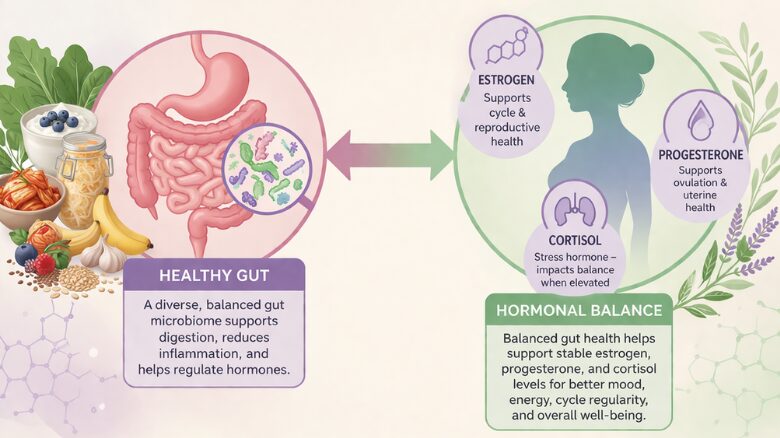
The human gut microbiome is an intricate ecosystem containing trillions of microorganisms that influence everything from digestion to mental clarity. For women, the gut plays an additional, vital role: regulating the delicate balance of hormones. From estrogen dominance to thyroid dysfunction and polycystic ovary syndrome (PCOS), a disrupted gut can trigger a cascade of hormonal imbalances that affect reproductive health, mood, and energy levels.
The Estrobolome: The Gut-Estrogen Connection
Perhaps the most direct link between gut health and female hormones is the estrobolome—a specific collection of gut bacteria dedicated to metabolizing and modulating the body's estrogen levels.
In a healthy system, the liver processes excess estrogen and sends it to the intestines to be excreted through bowel movements. However, when the gut microbiome is imbalanced (a state known as dysbiosis), certain bacteria produce an enzyme called beta-glucuronidase. This enzyme breaks down the bound estrogen, re-activating it and allowing it to be reabsorbed back into the bloodstream.
This leads to a condition known as estrogen dominance, which is associated with a variety of gynecological issues:
- Heavy, painful periods
- Endometriosis and uterine fibroids
- Severe premenstrual syndrome (PMS)
- An increased risk of hormone-sensitive cancers, such as breast and endometrial cancer
Gut Health, PCOS, and Insulin Resistance
The gut microbiome also plays a foundational role in metabolic and androgenic disorders, most notably Polycystic Ovary Syndrome (PCOS). Dysbiosis can cause the intestinal lining to become overly permeable—a condition often called "leaky gut."
When the gut barrier is compromised, lipopolysaccharides (LPS), which are inflammatory compounds found in certain gut bacteria, leak into the bloodstream. This triggers a systemic, low-grade inflammatory response. Inflammation drives insulin resistance, forcing the pancreas to produce more insulin. Elevated insulin levels directly stimulate the ovaries to produce excess androgens (male hormones like testosterone), leading to classic PCOS symptoms such as irregular cycles, adult acne, hirsutism, and stubborn weight gain.
Supporting the Gut-Hormone Axis
Because the gut and hormonal systems are so deeply intertwined, improving microbiome diversity is often the first step in restoring hormonal harmony.
- Dietary Adjustments: Consuming a diverse array of plant-based foods provides the prebiotic fiber that beneficial gut bacteria need to thrive. Cruciferous vegetables (like broccoli, kale, and cabbage) contain compounds that actively support the liver and gut in detoxifying estrogen.
- Probiotics and Fermented Foods: Incorporating active cultures via yogurt, kefir, sauerkraut, and targeted supplements introduces beneficial strains that keep the estrobolome balanced and suppress beta-glucuronidase activity.
- Stress and Sleep Management: Chronic stress elevates cortisol levels, which directly damages the gut lining and alters microbial composition. Prioritizing quality sleep and relaxation techniques protects the gut barrier, reducing systemic inflammation and stabilizing hormone production.
By viewing hormonal issues through the lens of digestive health, women can address the root causes of their symptoms and achieve long-term wellness.
Conclusion
At Harsha Hospitals, we address the root causes of reproductive challenges, including the vital link between gut health and hormonal balance. Disruptions in the gut microbiome can alter the metabolism of key hormones like estrogen, leading to conditions such as PCOS, endometriosis, and chronic fatigue. Our specialists offer personalized integrative care plans—incorporating targeted nutrition and stress management—to restore digestive balance and regain hormonal harmony.