


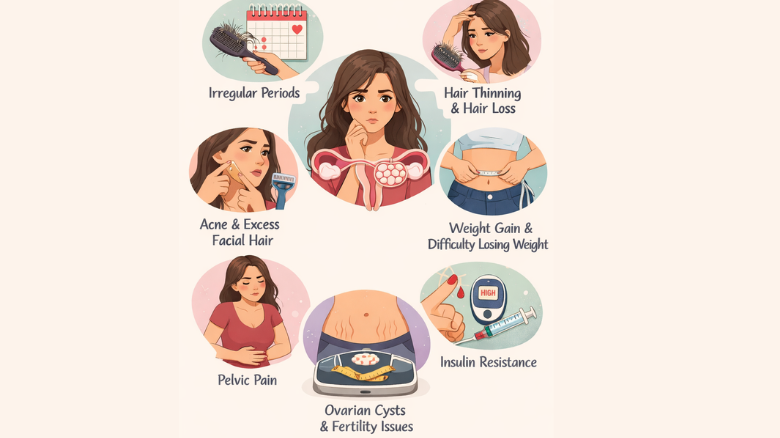
Polycystic Ovary Syndrome (PCOS) is one of the most common hormonal disorders affecting women of reproductive age. Recognizing the early signs of PCOS can help women seek timely medical guidance, manage symptoms effectively, and prevent long-term health complications. At Harsha Hospitals, specialists emphasize the importance of early diagnosis and personalized treatment for women experiencing hormonal imbalances.
What Is PCOS?
PCOS is a hormonal condition that affects the ovaries and can interfere with normal ovulation. Women with PCOS may experience irregular menstrual cycles, elevated androgen levels, and the development of multiple small cysts on the ovaries. While the exact cause remains unclear, genetics, insulin resistance, and lifestyle factors often play a significant role.
Common Early Signs of PCOS
1.Irregular Periods
One of the most noticeable early signs of PCOS is irregular menstrual cycles. Women may experience infrequent periods, prolonged cycles, or even missed periods due to irregular ovulation.
2.Excess Hair Growth
Many women with PCOS develop excessive hair growth on the face, chest, back, or abdomen. This condition, known as hirsutism, occurs because of increased androgen levels.
3.Persistent Acne
Hormonal imbalances associated with PCOS can trigger acne outbreaks, especially on the face, jawline, chest, and upper back. Adult acne that does not respond well to regular treatments may indicate an underlying hormonal issue.
4.Unexplained Weight Gain
Insulin resistance is common among women with PCOS and may lead to weight gain, particularly around the abdomen. Difficulty losing weight despite healthy habits can also be a warning sign.
5.Hair Thinning
While excess hair growth occurs in some areas, PCOS can also cause hair thinning on the scalp. This pattern resembles male-pattern hair loss and may worsen over time.
Why Early Diagnosis Matters
Ignoring the early signs of PCOS can increase the risk of fertility issues, type 2 diabetes, high blood pressure, and metabolic disorders. Early medical intervention can help regulate hormones, improve menstrual health, and support overall well-being.
Managing PCOS Effectively
Lifestyle changes such as regular exercise, balanced nutrition, stress management, and maintaining a healthy weight can significantly improve PCOS symptoms. Medical treatments may include hormonal therapy, insulin-sensitizing medications, and fertility support when needed.
Conclusion
Recognizing the early signs of PCOS is the first step toward better reproductive and hormonal health. If you notice symptoms such as irregular periods, acne, excessive hair growth, or unexplained weight gain, consulting the experts at Harsha Hospitals can help you receive the right diagnosis and treatment plan. Early action can make a significant difference in managing PCOS and improving long-term health outcomes.