


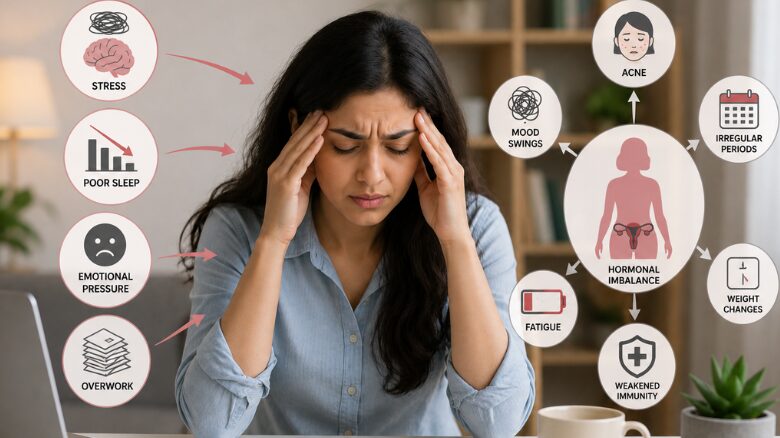
Stress has become an unavoidable part of modern life. Whether it stems from work, family responsibilities, financial concerns, or personal challenges, prolonged stress can affect both mental and physical well-being. One of the most significant yet often overlooked consequences is the impact of stress on hormonal health. Hormones regulate many essential body functions, including the menstrual cycle, metabolism, fertility, sleep, and mood. When stress becomes chronic, it can disrupt this delicate hormonal balance and contribute to various health issues.
Understanding the impact of stress on hormonal health is the first step toward protecting your overall well-being and maintaining a healthy reproductive system.
What Are Hormones?
Hormones are chemical messengers produced by glands in the endocrine system. They travel through the bloodstream and regulate numerous bodily functions, including:
- Menstrual cycles
- Ovulation
- Fertility
- Pregnancy
- Metabolism
- Sleep patterns
- Mood
- Energy levels
- Growth and development
When hormones remain balanced, the body functions efficiently. However, chronic stress can interfere with hormone production and communication, leading to various health concerns.
How Does Stress Affect Hormones?
When the body experiences stress, it releases cortisol, commonly known as the "stress hormone." Cortisol helps the body respond to immediate challenges by increasing blood sugar levels, blood pressure, and energy production.
While short-term stress is a natural protective response, prolonged stress keeps cortisol levels elevated. This ongoing hormonal imbalance is one of the major reasons behind the impact of stress on hormonal health.
High cortisol levels can interfere with other important hormones, including estrogen, progesterone, thyroid hormones, and insulin.
1.Irregular Menstrual Cycles
One of the earliest signs of the impact of stress on hormonal health is a change in menstrual cycles. Chronic stress can disrupt communication between the brain and ovaries, leading to irregular ovulation.
Women may experience:
- Delayed periods
- Missed periods
- Heavy bleeding
- Light periods
- Increased menstrual pain
Persistent menstrual irregularities should always be evaluated by a healthcare provider.
2.Reduced Fertility
Stress can affect fertility by disrupting ovulation and hormone production. Elevated cortisol levels may suppress reproductive hormones, making it more difficult to conceive.
Women trying to become pregnant should consider stress management as an important part of their fertility journey alongside medical guidance.
3.Worsening Symptoms of PCOS
Women with Polycystic Ovary Syndrome (PCOS) may notice that stress worsens their symptoms. Hormonal fluctuations triggered by chronic stress can contribute to:
- Irregular periods
- Weight gain
- Acne
- Excess facial hair
- Difficulty conceiving
Managing stress effectively may help improve symptom control when combined with appropriate medical treatment.
4.Thyroid Function Can Be Affected
The thyroid gland plays a key role in regulating metabolism and energy levels. Chronic stress may interfere with thyroid hormone production, leading to symptoms such as:
- Fatigue
- Weight changes
- Hair loss
- Dry skin
- Difficulty concentrating
Since thyroid disorders and stress-related symptoms often overlap, proper medical evaluation is important.
5.Sleep Disturbances
Poor sleep and stress often create a vicious cycle. Elevated cortisol levels make it difficult to fall asleep or stay asleep, while insufficient sleep further disrupts hormone balance.
One of the most noticeable effects of the impact of stress on hormonal health is chronic fatigue caused by poor-quality sleep.
Adults should aim for 7–9 hours of quality sleep each night to support healthy hormone regulation.
6.Weight Gain and Metabolic Changes
Chronic stress may increase cravings for high-calorie foods while slowing metabolism. Elevated cortisol can encourage fat storage, particularly around the abdomen.
Hormonal imbalances associated with stress may also increase the risk of:
- Obesity
- Type 2 diabetes
- High blood pressure
- Cardiovascular disease
Maintaining a balanced diet and regular exercise routine can help reduce these risks.
7.Mood Changes and Emotional Health
Hormonal imbalances caused by stress can significantly affect emotional well-being.
Women may experience:
- Anxiety
- Irritability
- Mood swings
- Depression
- Difficulty concentrating
Seeking emotional support and practicing stress management techniques can improve both mental and hormonal health.
Effective Ways to Manage Stress
Fortunately, there are several healthy ways to reduce the impact of stress on hormonal health.
Helpful lifestyle habits include:
- Practicing yoga or meditation
- Deep breathing exercises
- Regular physical activity
- Eating a nutritious, balanced diet
- Maintaining a consistent sleep schedule
- Spending time with family and friends
- Limiting caffeine and alcohol intake
- Taking breaks from work and digital devices
Even small daily changes can have a positive effect on hormone balance.
When Should You See a Doctor?
Consult a healthcare professional if you experience:
- Persistent irregular periods
- Difficulty conceiving
- Severe mood changes
- Ongoing fatigue
- Unexplained weight gain or weight loss
- Excessive hair loss
- Symptoms of thyroid disorders
- Chronic stress that affects daily life
Early diagnosis helps identify underlying hormonal conditions and ensures timely treatment.
Conclusion
The impact of stress on hormonal health extends far beyond emotional well-being. Chronic stress can disrupt menstrual cycles, reduce fertility, worsen hormonal disorders such as PCOS, affect thyroid function, disturb sleep, and contribute to long-term health complications. Fortunately, healthy lifestyle habits, effective stress management, and regular medical check-ups can help restore hormonal balance and improve overall quality of life. Listening to your body and seeking professional care when symptoms persist are essential steps toward maintaining lifelong women's health.
Harsha Hospitals offers comprehensive women's healthcare, hormone evaluation, fertility support, and personalized treatment plans designed to help women achieve optimal hormonal balance. Our experienced gynecologists provide compassionate, evidence-based care tailored to every stage of life.