


Pregnancy is an exciting and life-changing journey, but it can also bring emotional and physical challenges. Many women experience varying levels of stress during pregnancy due to changes in their bodies, concerns about childbirth, financial responsibilities, or balancing work and family life.
While occasional stress is normal, prolonged or excessive stress may affect both maternal and fetal health. At Harsha Hospitals, experts encourage expectant mothers to understand the impact of stress and adopt healthy coping strategies for a healthier pregnancy.
Understanding Stress During Pregnancy
Stress is the body's natural response to challenges or demands. During pregnancy, hormonal changes can make women more sensitive to emotional triggers, increasing feelings of anxiety or worry. While mild stress is generally harmless, chronic stress can lead to physical and emotional health concerns.
Effects of Stress During Pregnancy
Impact on the Mother
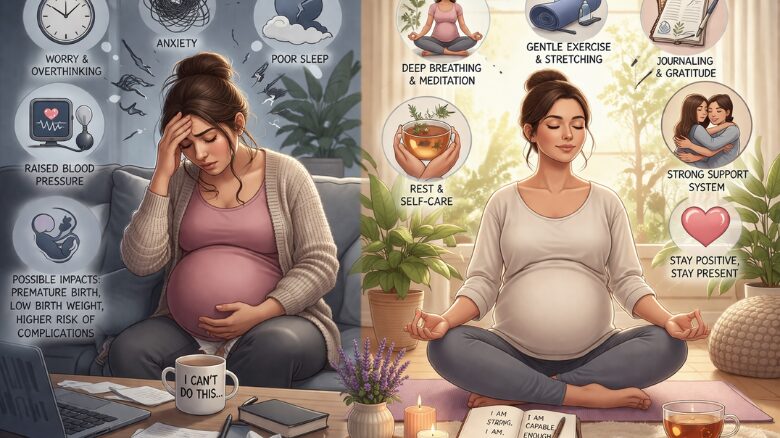
High levels of stress during pregnancy can contribute to headaches, sleep disturbances, fatigue, high blood pressure, and difficulty concentrating. Emotional stress may also increase the risk of anxiety and depression.
Impact on the Baby
Research suggests that prolonged stress may influence fetal development. Elevated stress hormones can affect the baby's growth and may increase the risk of preterm birth or low birth weight in some cases. Managing stress effectively can contribute to a healthier pregnancy experience.
Common Causes of Stress During Pregnancy
Physical Changes
Weight gain, nausea, fatigue, and discomfort can make daily activities more challenging and contribute to stress.
Fear of Childbirth
Many first-time mothers worry about labor, delivery, and caring for a newborn, leading to increased anxiety.
Financial and Family Responsibilities
Concerns about healthcare expenses, career adjustments, and family dynamics can add emotional pressure during pregnancy.
Health Concerns
Women with high-risk pregnancies or existing medical conditions may experience greater stress due to concerns about their health and their baby's well-being.
How to Stay Calm During Pregnancy
Practice Relaxation Techniques
Deep breathing exercises, meditation, and prenatal yoga can help reduce tension and promote relaxation. These techniques help calm the nervous system and improve emotional well-being.
Get Adequate Rest
Quality sleep is essential for managing stress during pregnancy. Creating a consistent sleep routine and maintaining a comfortable sleeping environment can improve rest and reduce fatigue.
Stay Physically Active
Regular physical activity, as recommended by your healthcare provider, can boost mood, improve circulation, and reduce stress levels.
Eat a Balanced Diet
Nutritious foods support both physical and mental health. Including fruits, vegetables, whole grains, and lean proteins can help maintain energy levels and emotional balance.
Seek Emotional Support
Talking to a partner, family member, friend, or healthcare professional can help relieve emotional burdens. Joining prenatal support groups may also provide reassurance and encouragement.
When to Seek Medical Help
If stress becomes overwhelming or interferes with daily activities, professional guidance is important. Symptoms such as persistent anxiety, panic attacks, severe mood changes, or depression should be discussed with a healthcare provider.
Conclusion
Managing stress during pregnancy is essential for the health of both mother and baby. By adopting healthy coping mechanisms, seeking support, and maintaining a positive lifestyle, expectant mothers can enjoy a more comfortable and fulfilling pregnancy journey. Harsha Hospitals offers comprehensive prenatal care and expert guidance to help mothers navigate pregnancy with confidence and peace of mind.