


A menstrual cycle can naturally vary from one woman to another. However, periods that suddenly become extremely heavy, painful, or prolonged should not always be ignored. One possible cause is uterine fibroids.
The connection between fibroids and periods is important because fibroids can significantly change menstrual bleeding patterns and affect a woman's quality of life.
Understanding the symptoms can help you know when it is time to seek medical advice.
What Are Uterine Fibroids?
Uterine fibroids are non-cancerous growths that develop from the muscle tissue of the uterus. They can vary greatly in size, number, and location.
Some women may have one small fibroid, while others may develop multiple fibroids of different sizes.
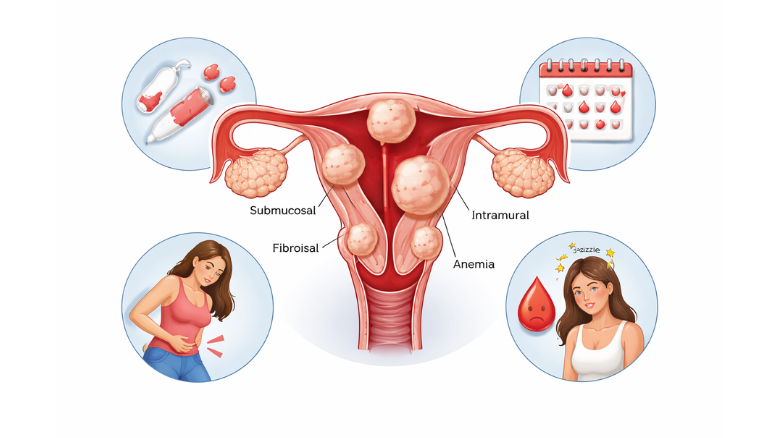
Fibroids can develop within the uterine wall, grow towards the inside of the uterine cavity, or develop on the outer surface of the uterus.
Many women with fibroids have no symptoms. In other cases, fibroids can cause heavy periods, pelvic pain, pressure, and reproductive concerns.
Fibroids and Periods: What Is the Connection?
The relationship between fibroids and periods often depends on the size and location of the fibroids.
Fibroids that affect the uterine cavity or alter the normal structure of the uterus may contribute to heavier menstrual bleeding. They can also affect the way the uterus contracts during menstruation.
As a result, some women may notice significant changes in their monthly cycle.
Heavy Menstrual Bleeding
One of the most common symptoms associated with fibroids is heavy menstrual bleeding.
You may need to change sanitary pads or tampons more frequently than usual. Some women may experience flooding, leakage, or bleeding that interferes with work and daily activities.
Passing large blood clots may also occur.
Heavy bleeding should not simply be accepted as a normal part of being a woman. Persistent blood loss can contribute to iron-deficiency anaemia.
Longer Periods
A typical menstrual period varies between individuals. However, fibroids may cause bleeding to continue for longer than usual.
Some women experience periods lasting more than a week.
Prolonged menstrual bleeding can be physically exhausting and emotionally stressful. It may also increase the risk of low iron levels.
Painful Periods and Cramping
Fibroids may contribute to painful menstrual cramps.
The uterus naturally contracts during menstruation. When fibroids are present, some women experience stronger pelvic discomfort or pressure.
Pain may range from a dull ache to intense cramping.
Severe menstrual pain that repeatedly affects school, work, sleep, or daily activities deserves medical evaluation.
Irregular Bleeding
Although heavy periods are commonly associated with fibroids, some women may also experience bleeding between periods.
Unexpected spotting or bleeding should always be discussed with a gynecologist because several conditions can cause abnormal uterine bleeding.
A proper evaluation is important to identify the actual cause.
Can Fibroids Cause Anaemia?
Yes. Heavy or prolonged menstrual bleeding can lead to iron-deficiency anaemia.
Symptoms may include:
- Persistent tiredness
- Weakness
- Dizziness
- Headaches
- Shortness of breath
- Pale skin
- Rapid heartbeat in more significant cases
If you have heavy periods and frequently feel exhausted, your doctor may recommend a blood test to check haemoglobin and iron levels.
Do All Fibroids Affect Periods?
No. Some women have fibroids without experiencing menstrual problems.
Symptoms depend on several factors, including the location, size, and number of fibroids.
A small fibroid affecting the uterine cavity may sometimes cause significant bleeding, while a larger fibroid in another location may mainly cause pressure symptoms.
This is why individual medical evaluation is essential.
Other Symptoms of Fibroids
Apart from menstrual changes, fibroids may cause:
- Pelvic pressure
- Lower abdominal pain
- Lower back pain
- Frequent urination
- Constipation
- Abdominal fullness
- Pain during sexual intercourse
- Fertility difficulties in some cases
The presence of these symptoms does not automatically confirm fibroids. An ultrasound and clinical evaluation may be required.
How Are Fibroids Diagnosed?
Your gynecologist will ask about your menstrual cycle, bleeding pattern, pain, and other symptoms.
A pelvic examination may be performed.
Ultrasound is commonly used to identify fibroids and evaluate their size and location. Additional investigations may be recommended depending on your symptoms.
Blood tests may also be advised if heavy bleeding has caused possible anaemia.
Treatment for Fibroid-Related Period Problems
Treatment depends on the severity of your symptoms, fibroid characteristics, age, general health, and future pregnancy plans.
Some women with mild symptoms may only need regular monitoring.
Medicines may be recommended to control heavy menstrual bleeding or manage pain. Hormonal treatments may be suitable for selected patients.
When symptoms are severe, procedures or surgery may be considered.
The right treatment should be personalised after a detailed consultation with a gynecologist.
When Should You Seek Medical Help?
Visit a gynecologist if you experience very heavy periods, bleeding lasting longer than usual, severe pelvic pain, persistent bleeding between periods, or symptoms of anaemia.
Seek urgent medical attention for extremely heavy bleeding accompanied by severe weakness, fainting, breathing difficulty, or significant dizziness.
Conclusion
The relationship between fibroids and periods can vary significantly between women. While some fibroids cause no symptoms, others may lead to heavy bleeding, prolonged periods, severe cramps, and anaemia.
Ignoring persistent menstrual changes can delay diagnosis and treatment.
Harsha Hospitals provides professional gynecological evaluation for menstrual problems and fibroid-related symptoms. With appropriate diagnosis and personalised care, women can better understand their condition and explore suitable treatment options.
If your periods have become unusually heavy or painful, consult the specialists at Harsha Hospitals for timely medical guidance.