


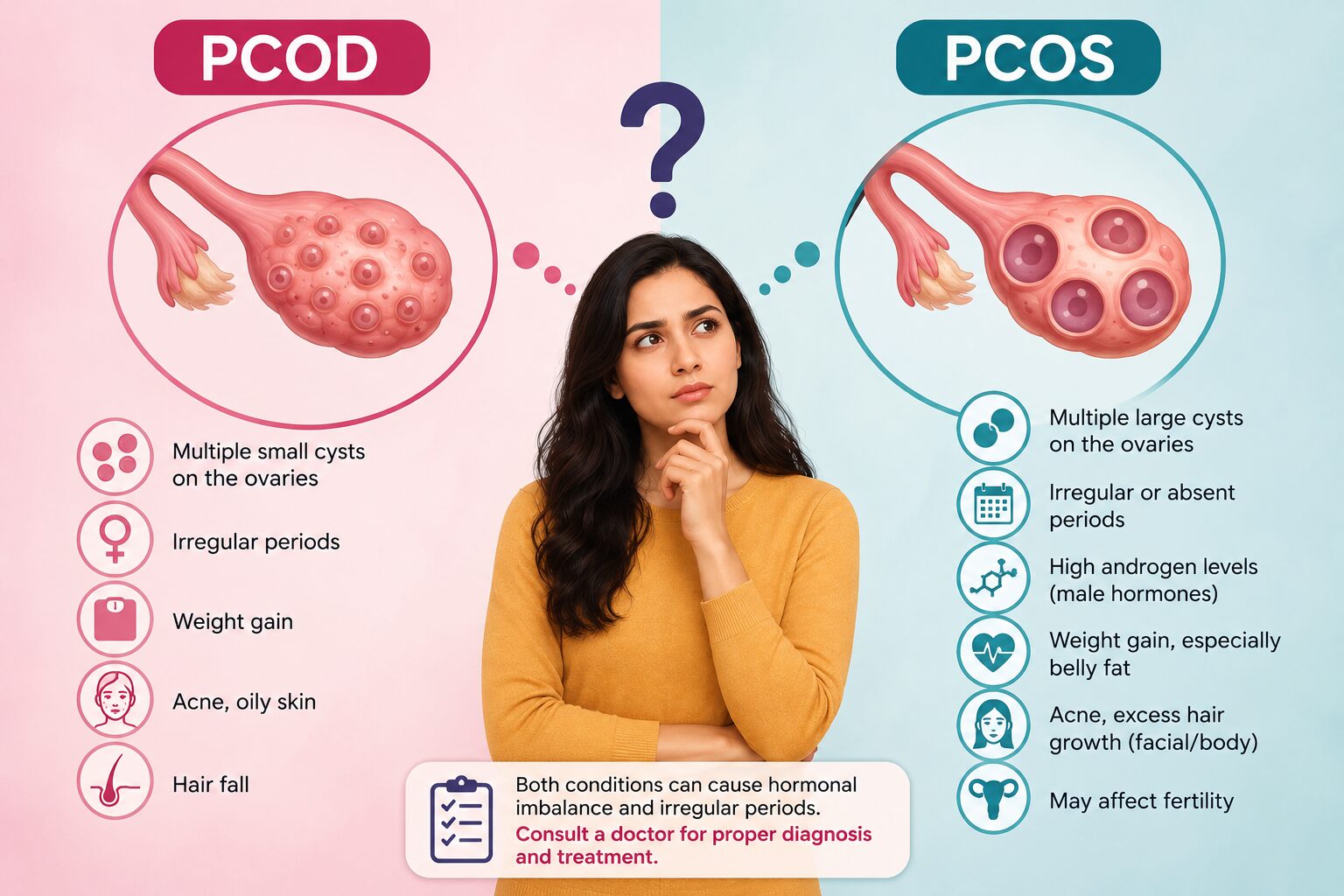
Hormonal health problems are becoming increasingly common among women, and two terms you may often hear are PCOS and PCOD. Although these conditions are frequently discussed as if they are the same, many people still wonder about the difference between PCOS and PCOD.
Both conditions affect the ovaries, menstrual cycle, hormones, and fertility. However, the way they are described and managed can vary. Understanding your symptoms and receiving the right medical evaluation can help you take better control of your reproductive and overall health.
What Is PCOD?
PCOD stands for Polycystic Ovarian Disease. The term is commonly used to describe a condition in which the ovaries may produce immature or partially mature eggs. These follicles may accumulate in the ovaries and can be associated with hormonal imbalance and irregular ovulation.
Women described as having PCOD may experience irregular periods, weight changes, acne, excessive facial or body hair, and difficulty becoming pregnant.
Lifestyle factors, insulin resistance, genetics, and hormonal changes may contribute to symptoms. A balanced diet, regular exercise, weight management when appropriate, and medical treatment can help manage the condition.
What Is PCOS?
PCOS stands for Polycystic Ovary Syndrome. It is a hormonal and metabolic disorder that can affect ovulation, androgen levels, menstrual cycles, and fertility.
Women with PCOS may have irregular or absent periods, acne, unwanted hair growth, scalp hair thinning, weight gain, or difficulty becoming pregnant. Not every woman with PCOS experiences every symptom, and PCOS can also occur in women who are not overweight.
Because PCOS may be associated with insulin resistance and long-term metabolic health concerns, regular medical monitoring is important.
Difference Between PCOS and PCOD
When discussing the difference between PCOS and PCOD, it is important to understand that modern international medical guidelines primarily use the term PCOS. “PCOD” is widely used in everyday conversation and in some regions, but it is not generally treated as a separate, universally defined diagnosis in major international guidelines.
PCOS is diagnosed based on specific clinical features after other possible causes are considered. These features may include irregular ovulation, signs or laboratory evidence of higher androgen levels, and polycystic ovarian appearance on ultrasound, depending on the patient's age and diagnostic criteria.
Therefore, rather than trying to self-diagnose based on the terms PCOS or PCOD, women should undergo a proper medical evaluation.
Common Symptoms of PCOS and PCOD
The symptoms can differ from one woman to another. Common signs include:
- Irregular menstrual periods
- Missed periods
- Heavy or unpredictable bleeding
- Difficulty getting pregnant
- Excessive facial or body hair
- Acne and oily skin
- Weight gain or difficulty managing weight
- Hair thinning or hair loss
- Darkened skin in certain areas
- Mood changes
Having one or two of these symptoms does not automatically mean you have PCOS. Thyroid disorders, high prolactin levels, pregnancy, and other hormonal conditions may also affect periods.
How Do These Conditions Affect Fertility?
Ovulation is an important part of natural conception. In PCOS, hormonal imbalance can interfere with regular egg release. Some women may ovulate occasionally, while others may have long gaps between ovulation.
This is why women with PCOS may take longer to become pregnant.
However, having PCOS does not mean pregnancy is impossible. Many women conceive naturally or with medical support. Treatment may include lifestyle changes, medicines to support ovulation, or fertility treatment depending on the individual situation.
How Are PCOS and PCOD Diagnosed?
A gynecologist may begin by discussing your menstrual cycle, symptoms, weight changes, skin concerns, and pregnancy plans.
The evaluation may include:
- Medical history
- Physical examination
- Blood tests
- Hormonal evaluation
- Blood sugar assessment
- Pelvic ultrasound
A diagnosis should be made after evaluating the complete clinical picture. Ultrasound findings alone are not enough to diagnose every case of PCOS.
Can Lifestyle Changes Help?
Yes. Healthy lifestyle habits are an important part of PCOS management.
Regular physical activity can improve overall fitness and metabolic health. A nutritious diet containing vegetables, fruits, whole grains, protein, and healthy fats can support long-term wellbeing.
Women who are above their healthy weight may benefit from gradual and sustainable weight management. Even modest changes can support metabolic and reproductive health in some women.
Adequate sleep and stress management are also important.
Treatment Options
Treatment depends on your symptoms and whether you are planning a pregnancy.
Your doctor may recommend medicines to regulate menstrual cycles, manage acne or excessive hair growth, improve metabolic health, or support ovulation.
There is no single treatment plan suitable for every woman. A personalised approach is essential because symptoms, age, health history, and fertility goals differ.
When Should You Visit a Gynecologist?
Consult a gynecologist if your periods are consistently irregular, you frequently miss periods, experience excessive hair growth or severe acne, or have difficulty becoming pregnant.
Early evaluation can help identify hormonal problems and create an appropriate treatment plan.
Conclusion
Understanding the difference between PCOS and PCOD can reduce confusion, but the most important step is identifying the actual cause of your symptoms. PCOS can affect menstrual health, metabolism, and fertility, but effective management is possible with appropriate lifestyle support and medical care.
At Harsha Hospitals, women can seek professional evaluation and personalised guidance for menstrual irregularities, hormonal concerns, PCOS symptoms, and fertility-related problems.
If irregular periods or hormonal symptoms are affecting your daily life, schedule a consultation at Harsha Hospitals and take a proactive step towards better reproductive health.