


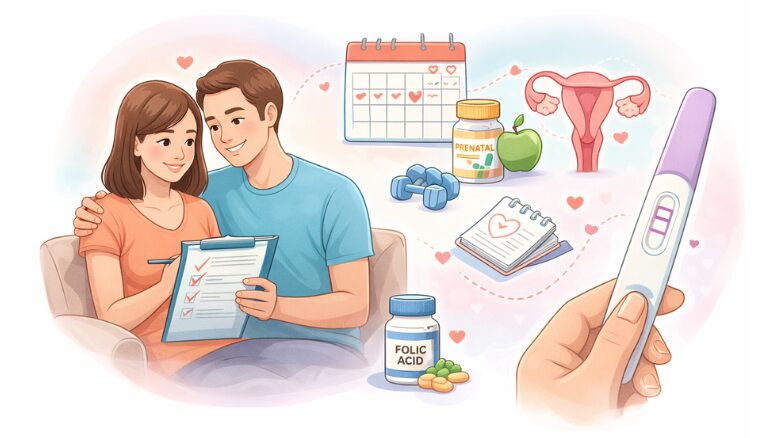
The decision to start a family is one of life's most significant turning points. What many couples do not realise, however, is that the journey to a healthy pregnancy begins well before conception — sometimes months in advance. At Harsha Hospitals, our specialists emphasise that preconception care is not a luxury reserved for high-risk cases; it is the single most effective way to lay the groundwork for a healthy baby and a safer pregnancy.
Start With a Preconception Consultation
Your first step should be a visit to your gynaecologist or OB-GYN for a preconception check. This appointment covers your medical history, any existing conditions such as thyroid disorders, diabetes, or hypertension, your menstrual cycle regularity, and any medications that may affect fertility or fetal development. Blood tests at this stage typically screen for anaemia, immunity to rubella and hepatitis B, blood group and Rh factor, and thyroid function. Identifying and addressing any of these issues before conception dramatically reduces the risk of complications during pregnancy.
Start Folic Acid Early
One of the most well-established recommendations in obstetrics is beginning folic acid supplementation at least three months before trying to conceive. Folic acid — a B-vitamin — plays a critical role in the formation of the neural tube in the first weeks of fetal development, often before a woman even knows she is pregnant. The standard recommended dose is 400 micrograms per day, though women with a family history of neural tube defects or those on certain medications may be advised to take a higher dose. Your doctor at Harsha Hospitals will guide you on the right formulation.
Nutrition and Weight
A balanced, nutrient-rich diet forms the foundation of a healthy pregnancy. Focus on iron-rich foods such as leafy greens, lentils, and lean meats; calcium from dairy or fortified alternatives; and omega-3 fatty acids from fish and walnuts. Both underweight and overweight conditions can affect fertility and increase pregnancy complications, so achieving a healthy weight before conception is recommended where possible. Reducing processed foods, limiting caffeine to under 200 mg per day, and stopping alcohol entirely are clear, evidence-based steps every woman can take.
Lifestyle Adjustments for Both Partners
Fertility is not solely a women's health matter. Male sperm health — quality, motility, and count — is affected by smoking, alcohol, heat exposure, and chronic stress. Both partners should ideally quit smoking at least three months before trying to conceive. Regular moderate exercise improves hormonal balance and overall reproductive health for women, while reducing stress through practices such as yoga, meditation, or adequate sleep supports the hormonal environment necessary for ovulation.
Understanding Your Fertile Window
Knowing your cycle is a practical advantage. Ovulation typically occurs around day 14 of a 28-day cycle, though this varies. The fertile window spans approximately five days before ovulation to one day after it. Tracking basal body temperature, cervical mucus changes, or using an ovulation predictor kit can help couples time intercourse effectively. Most healthy couples conceive within 12 months of regular, unprotected intercourse. If conception has not occurred after 12 months (or 6 months if the woman is over 35), a fertility evaluation is advised.
 Harsha Hospitals Advice: Book a preconception consultation three to six months before you plan to start trying. Early preparation gives you time to address any deficiencies, adjust medications, complete vaccinations, and enter pregnancy in the best possible health — for you and your baby.