


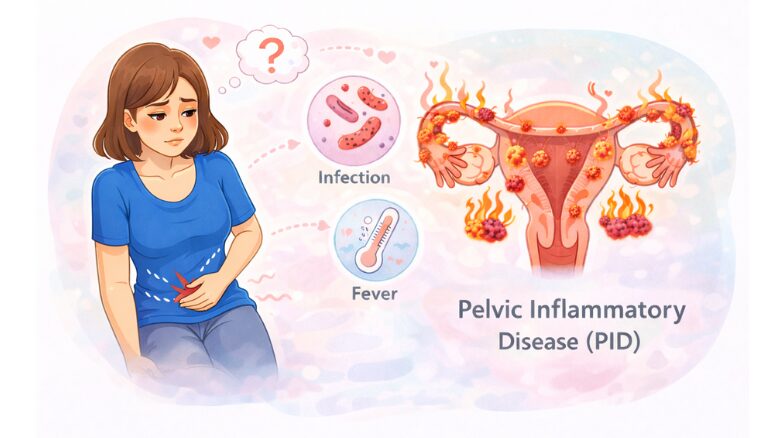
Women are, by a great many measures, more proactive about health than men — and yet, when it comes to gynaecological symptoms, a striking number of women delay seeking help, normalise discomfort, or assume that what they are experiencing is simply a part of female life. At Harsha Hospitals, our gynaecologists regularly see patients who have endured months or years of symptoms that could have been addressed — and in many cases resolved — far earlier. Here are the most commonly ignored gynaecological problems and why they deserve your attention.
Abnormal Vaginal Discharge
Some vaginal discharge is entirely normal — it is the body's mechanism for keeping the vaginal environment healthy and balanced. However, a change in colour (green, grey, or cottage-cheese white), a strong or unpleasant odour, an increase in volume, or discharge accompanied by itching or burning are signs of infection. Bacterial vaginosis and vaginal thrush (yeast infection) are the most common culprits and are both highly treatable. Sexually transmitted infections such as chlamydia and gonorrhoea often present with discharge changes and can, if untreated, lead to pelvic inflammatory disease and fertility damage. Ignoring these symptoms is never safe.
Painful Intercourse
Pain during or after sexual intercourse — medically termed dyspareunia — is experienced by a significant number of women but discussed by very few. Common causes include vaginal dryness (often related to hormonal changes around perimenopause or post-delivery), vaginal infections, endometriosis, ovarian cysts, and a condition called vaginismus, where the pelvic floor muscles involuntarily contract. None of these causes are untreatable, and none should be tolerated in silence. A frank conversation with your gynaecologist will identify the cause and open a path to relief.
Urinary Leakage and Pelvic Floor Weakness
Stress urinary incontinence — leaking small amounts of urine when coughing, sneezing, laughing, or exercising — is common after childbirth and in perimenopause, but it is not something women simply must accept. Pelvic floor physiotherapy, lifestyle modifications, and where necessary, surgical interventions, offer effective solutions. Many women never mention this symptom to a doctor out of embarrassment, yet the impact on confidence and quality of life is significant. Pelvic organ prolapse — where the bladder, uterus, or bowel descend into or outside the vagina — similarly often goes unreported until it becomes severe.
Missed or Skipped Cervical Screening
Cervical cancer is one of the most preventable cancers — but prevention depends on regular screening. A Pap smear (or liquid-based cytology) detects precancerous changes in cervical cells that, if identified early, can be treated before cancer develops. Guidelines typically recommend screening every three years from age 21 or from the onset of sexual activity. Missing or repeatedly postponing screening because of discomfort, anxiety, or busyness is a risk that is simply not worth taking.
Persistent Pelvic Pain
Chronic pelvic pain — defined as pain below the navel lasting for six months or more — is one of the most under-investigated symptoms in women's health. It can arise from endometriosis, fibroids, irritable bowel syndrome, pelvic inflammatory disease, or interstitial cystitis, among other causes. Many women attribute it to "just how they are" or manage it with painkillers without seeking a diagnosis. Identifying the cause is essential, because untreated pelvic pain often worsens and the underlying conditions may have consequences for fertility and general health.