


Read Now
Getting your Trinity Audio player ready... |
Pregnancy is a life-changing journey filled with joy, anticipation, and a constant desire to do what is best for the baby. One of the most discussed topics during this phase is food. In Indian households, especially, pregnancy diets are guided by elders, traditions, cultural beliefs, and well-meaning advice from everyone around. While some of this guidance is helpful, a lot of it is based on myths rather than medical facts. This often leaves expecting mothers confused about what they should eat and what they should strictly avoid. Understanding foods to avoid in an Indian pregnancy diet, while separating myths from facts, helps women make confident and healthy choices. With the right balance of nutrition and expert medical guidance, pregnancy can be both safe and enjoyable.
A healthy pregnancy diet is essential because it supports the baby’s growth, brain development, and immunity while also maintaining the mother’s energy levels and overall well-being. Nutrients like iron, calcium, protein, folic acid, and healthy fats play a major role during pregnancy. At the same time, certain foods can increase the risk of infections, digestive discomfort, or complications if consumed incorrectly or in excess. This is why clarity matters more than fear. Knowing the facts allows expecting mothers to nourish themselves without unnecessary restrictions or stress.
One of the most common food myths in India revolves around papaya and pineapple. Many women are told to avoid these fruits completely during pregnancy. The truth is more balanced. Raw or semi-ripe papaya contains latex, which may stimulate uterine contractions and is best avoided. However, ripe papaya consumed occasionally is generally safe. Pineapple contains bromelain, an enzyme that can soften the cervix if taken in very large quantities. Eating small portions once in a while does not pose a serious risk for most women. Moderation, rather than complete avoidance, is the key.
Another widely believed myth is that spicy food is harmful to the baby. In reality, spicy food does not directly affect the unborn child. However, it can cause acidity, heartburn, or indigestion in pregnant women, especially during the second and third trimesters. If a woman is comfortable eating spicy Indian food and does not experience discomfort, it can be included in moderation. Each pregnancy is different, so listening to one’s body is important.
Street food is another topic of concern. Many people believe all street food is dangerous during pregnancy. The real issue here is hygiene. Street food prepared in unhygienic conditions can lead to food poisoning, diarrhea, or infections. During pregnancy, immunity is lower, making women more vulnerable. It is safer to avoid street food or choose freshly prepared items from clean and trusted places.
Certain foods truly should be avoided during pregnancy for medical reasons. Raw or undercooked eggs, meat, fish, and seafood can contain harmful bacteria such as Salmonella or listeria. These infections can be serious during pregnancy, so all animal-based foods should be thoroughly cooked. Unpasteurized milk and dairy products, including soft cheeses made from raw milk, should also be avoided due to the risk of infection.
Fish is often confusing in an Indian pregnancy diet. While fish is a good source of protein and omega-3 fatty acids, some varieties contain high levels of mercury, which can affect the baby’s nervous system. Fish such as shark, swordfish, and king mackerel should be avoided. Low-mercury options like rohu, catla, or salmon can be safely consumed in moderation after proper cooking.
Caffeine intake is another important consideration. Excessive tea or coffee consumption during pregnancy can increase the risk of low birth weight or sleep disturbances. Pregnant women are advised to limit caffeine intake and opt for healthier alternatives like milk, herbal drinks approved by doctors, or fresh fruit juices.
Alcohol and tobacco are strictly unsafe during pregnancy and should be completely avoided. There is no safe amount of alcohol during pregnancy, as it can cause serious birth defects, developmental delays, and long-term health issues for the baby. Tobacco use, including passive smoking, increases the risk of miscarriage, premature birth, and low birth weight.
There are also myths around ghee and oils. Many believe that consuming large amounts of ghee ensures a normal delivery. Although ghee is a nutritious fat that aids digestion, consuming it in excess can contribute to unwanted weight gain and does not ensure an easy or normal delivery. Balanced nutrition and regular medical monitoring are far more important.
Fasting during pregnancy is another sensitive topic in Indian culture. Some believe religious fasting is harmless. However, long hours without food can cause low blood sugar, weakness, dehydration, and dizziness. Pregnant women should consult their gynecologist before fasting and ensure their nutritional needs are met.
Instead of focusing only on restrictions, it is important to choose safe and nourishing foods. A balanced Indian pregnancy diet includes well-cooked vegetables, fresh fruits, whole grains, dals, curd, nuts, seeds, and adequate fluids. Eating small, frequent meals can help reduce nausea and keep energy levels steady throughout the day.
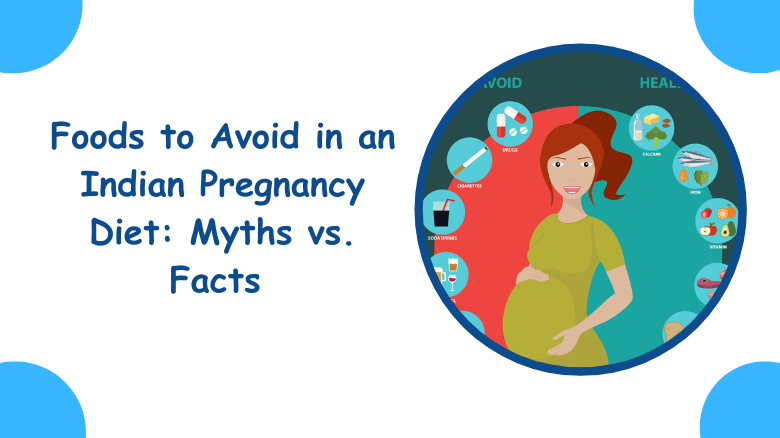
At this point, it is important to revisit the central theme of this discussion—Foods to Avoid in an Indian Pregnancy Diet: Myths vs. Facts—because understanding the difference empowers women to enjoy pregnancy without fear. Not every traditional belief is wrong, but not every belief is medically correct either. Personalized medical advice always works better than generalized rules.
Every pregnancy is unique, and dietary needs vary based on age, weight, lifestyle, and medical conditions such as anemia, thyroid disorders, PCOS, or gestational diabetes. This is why professional medical guidance is essential throughout pregnancy.
Harsha Hospitals is one of the best hospitals in Hyderabad, offering comprehensive and compassionate maternity care. Under the expert supervision of Dr. M. Neetha, the best gynecologist, Harsha Hospitals provides personalized pregnancy care, diet counseling, and continuous monitoring to ensure the safety of both mother and baby. Dr. M. Neetha also takes care of the day-to-day operations of the hospital, ensuring high standards of care, hygiene, and patient comfort.
In conclusion, pregnancy nutrition should be guided by facts, balance, and expert advice rather than fear and myths. Knowing which foods to avoid, which foods are safe in moderation, and how to maintain a healthy Indian pregnancy diet makes the journey smoother and more confident for expecting mothers.
If you are pregnant or planning to conceive and want reliable guidance on pregnancy diet and care, visit Harsha Hospitals today. Meet Dr. M. Neetha, the best gynecologist in Hyderabad, and experience trusted, personalized maternity care designed to support you at every stage of pregnancy.