


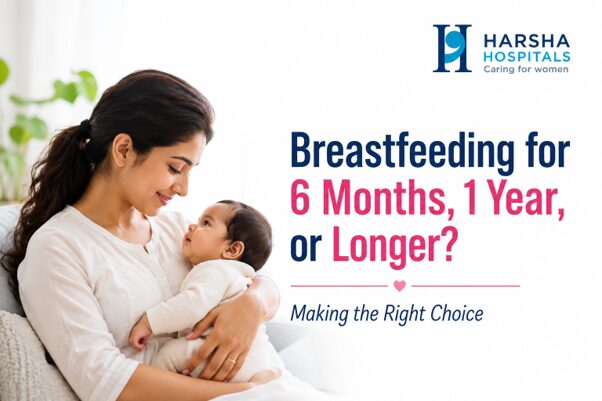
Along with the joy of welcoming a newborn comes a series of important decisions, and one of the biggest questions many mothers face is: How long should I breastfeed my baby?
Should breastfeeding stop at six months? Is one year better? Or should it continue even longer?
Every mother and baby follow a unique breastfeeding journey, making the right choice different for every family. Every mother and baby has unique needs, lifestyles, and health considerations. However, understanding the benefits of breastfeeding at different stages can help you make an informed decision.
Motherhood begins with a tiny heartbeat and unfolds into a lifetime of love, care, and unforgettable memories
Breastfeeding for 6 Months, 1 Year, or Longer? Making the Right Choice is not about following strict rules. It is about finding what works best for both mother and baby while ensuring optimal health and development.
A Small Act, A Big Impact
Breastfeeding is often described as nature’s perfect food for babies. It provides complete nutrition, strengthens immunity, and creates a special bond between mother and child.
A few moments of feeding can offer much more than nourishment. It provides comfort, security, warmth, and emotional connection.
Every drop counts. Every feed matters.
Why Exclusive Breastfeeding for the First 6 Months Is Recommended
Healthcare experts worldwide recommend exclusive breastfeeding for the first six months of a baby’s life.
During this period, breast milk contains all the essential nutrients a baby needs, including:
- Proteins for growth
- Healthy fats for brain development
- Vitamins and minerals
- Antibodies that fight infections
- Enzymes that aid digestion
One of the most searched topics among new mothers is the benefits of breastfeeding, and for good reason. Babies who are exclusively breastfed often experience:
- Stronger immunity
- Lower risk of infections
- Reduced chances of diarrhea
- Better digestive health
- Lower risk of allergies
- Healthy weight gain
Breast milk adapts to the baby's changing needs, making it one of the most remarkable natural foods available.
Benefits of Breastfeeding for Mothers
The advantages of breastfeeding are not limited to babies.
Mothers also experience several health benefits, including:
Faster Recovery After Delivery
Breastfeeding supports post-delivery recovery by helping the uterus gradually return to its pre-pregnancy size.
Emotional Well-Being
The release of hormones such as oxytocin promotes bonding and creates feelings of relaxation and happiness.
Convenience
Breast milk is always available, requires no preparation, and is served at the perfect temperature.
Long-Term Health Benefits
Studies suggest that breastfeeding may reduce the risk of certain health conditions later in life, including breast and ovarian cancers.
What Happens After Six Months?
When babies reach six months, they begin exploring solid foods. This exciting milestone often leads mothers to wonder whether breastfeeding is still necessary.
The answer is yes.
While complementary foods become important after six months, breast milk continues to provide valuable nutrition and immune protection.
Introducing solids should not mean replacing breast milk immediately. Instead, breastfeeding and solid foods work together to support healthy growth.
Think of breast milk as a reliable nutritional foundation while your baby learns to enjoy new tastes and textures.
Breastfeeding Until One Year: Is It Beneficial?
Absolutely.
Many pediatric and maternal health experts recommend continuing breastfeeding alongside complementary foods until at least one year.
During this phase, babies become increasingly energetic, curious, and eager to explore the world around them. They explore new environments, interact with more people, and are exposed to more germs.
Breast milk continues to provide:
- Important nutrients
- Immune system support
- Hydration
- Emotional comfort
One of the key breastfeeding benefits during this phase is ongoing protection against common childhood illnesses.
Many parents also notice that breastfeeding helps comfort babies during:
- Teething
- Growth spurts
- Minor illnesses
- Sleep disruptions
A familiar feeding routine often provides reassurance during developmental changes.
Breastfeeding Beyond One Year
Some mothers choose to continue breastfeeding after their baby's first birthday.
This decision is entirely personal and can offer several advantages.
Contrary to common myths, breast milk does not suddenly lose its nutritional value after one year.
In fact, it continues to provide:
- Healthy fats
- Protein
- Vitamins
- Immune-supporting compounds
For toddlers, breastfeeding often becomes more than a source of nutrition.
It becomes a source of comfort.
During illness, travel, changes in routine, or emotional stress, breastfeeding can provide security and reassurance.
Many mothers report that extended breastfeeding strengthens their emotional connection with their child while continuing to support overall health.
Common Myths About Extended Breastfeeding
Myth 1: Breast Milk Has No Value After One Year
This is false.
Breast milk continues to contain beneficial nutrients and protective antibodies even after the first year.
Myth 2: Breastfeeding Creates Dependency
Research suggests that secure attachment during early childhood can actually encourage confidence and independence later in life.
Myth 3: Extended Breastfeeding Is Unusual
Around the world, breastfeeding practices vary significantly. In many cultures, breastfeeding beyond one year is considered completely normal.
The duration of breastfeeding should be based on what works best for the family—not societal opinions.
How Do You Know When It's Time to Stop?
There is no universal age for weaning.
Some babies naturally reduce breastfeeding as they become comfortable with solid foods.
Others continue to breastfeed for comfort and emotional connection.
Signs that weaning may be approaching include:
- Increased interest in regular foods
- Reduced feeding frequency
- Greater independence
- Shorter feeding sessions
Gradual weaning is usually easier for both mother and child than stopping suddenly.
The goal is to make the transition comfortable and stress-free.
Supporting Your Breastfeeding Journey
Breastfeeding requires energy, patience, and self-care.
Mothers should focus on:
Healthy Nutrition
A balanced diet helps maintain energy levels and supports milk production.
Include:
- Fresh fruits
- Vegetables
- Whole grains
- Protein-rich foods
- Adequate fluids
Proper Rest
Sleep may be challenging with a newborn, but rest remains essential for recovery and overall well-being.
Emotional Support
Family encouragement and professional guidance can make a significant difference in a mother's breastfeeding experience.
Never hesitate to seek help if challenges arise.
When Professional Guidance Matters
Every breastfeeding journey is unique.
Some mothers experience concerns related to:
- Milk supply
- Latching difficulties
- Breast discomfort
- Baby's weight gain
- Returning to work
In such situations, consulting an experienced gynecologist can provide reassurance and practical solutions.
Professional support helps mothers make informed decisions without confusion or unnecessary stress.
Trusted Maternity Care at Harsha Hospitals
For mothers seeking expert pregnancy, childbirth, and postnatal care, Harsha Hospitals has become a trusted destination for comprehensive women's healthcare.
Under the leadership of Dr. M. Neetha, a highly experienced gynecologist, the hospital is committed to providing exceptional care for women at every stage of life. Her commitment to maternal health, patient-centered care, and women's wellness has helped countless mothers experience safe pregnancies and confident motherhood.
From prenatal care to breastfeeding guidance and postpartum support, Dr. M. Neetha and her team focus on ensuring the well-being of both mother and baby at every stage. If you are looking for expert maternity services, breastfeeding support, pregnancy care, or consultation with the best gynecologist in Kukatpally, visit Harsha Hospitals today.
Book your consultation today and experience trusted care for a healthier pregnancy, a successful breastfeeding journey, and confident motherhood.