


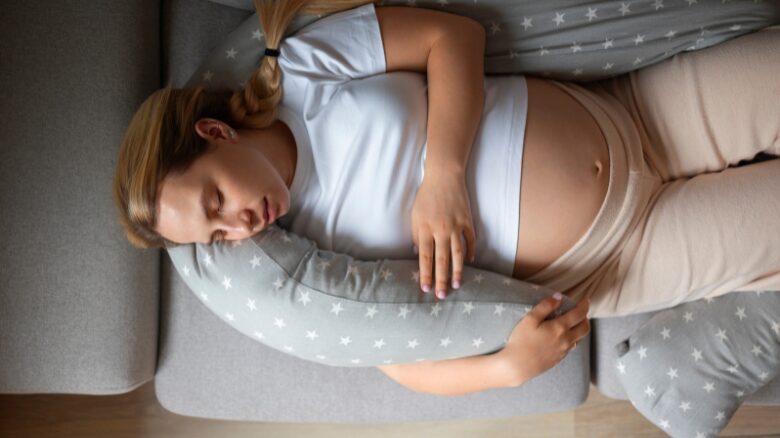
Pregnancy is a beautiful journey, yet it can often feel like a perplexing maze, especially when it comes to finding a comfortable sleeping position. As your body undergoes remarkable changes to nurture new life, even the smallest decisions seem to matter more than ever. Among these is the seemingly mundane, yet surprisingly significant, task of choosing the right sleep position. This decision holds the power to influence not just your comfort, but also the health and development of your unborn child. So, what are the sleep positions that are safe during pregnancy?
Have you ever wondered if the way you sleep could really make a difference in your pregnancy, or is it just an old wives' tale?
Key Takeaways
- Left-side sleeping is considered the safest position during pregnancy, enhancing blood flow to the placenta
- Avoid sleeping on your back in the later stages of pregnancy to prevent reduced blood circulation
- Use pillows to support your belly, back, and knees for added comfort and alignment
- Experiment with different positions to discover what feels most comfortable and safe for you
- Consult your healthcare provider for personalised advice based on your unique pregnancy needs
Sleep Positions That Are Safe During Pregnancy
When you're expecting, tossing and turning at night can become a common occurrence. As your belly grows, finding that sweet spot for a restful night's sleep might seem elusive. However, understanding which sleep positions are safe can make a world of difference. During pregnancy, your body works overtime, and getting enough quality sleep is crucial for both you and your baby. Let's explore the sleep positions that are recommended during this transformative time.
The Left Side: Your Best Friend
Sleeping on your left side is often hailed as the gold standard during pregnancy. This position is not just a comfort measure; it actually has scientific backing. Why the left side? Well, it optimises blood flow, ensuring a steady supply of nutrients and oxygen to your baby. It also aids your kidneys in efficiently eliminating waste and fluids from your body, reducing swelling in your legs and feet. For many, this position becomes a reliable ally, especially as their pregnancy progresses.
To make this position even more comfortable, consider using a pregnancy pillow. These specially designed pillows can cradle your belly and support your back, helping you maintain the left-side position throughout the night. Placing a regular pillow between your knees can also align your spine and reduce strain on your hips and lower back.
The Right Side: A Worthy Alternative
While the left side is often touted as the best, sleeping on your right side is also safe for most pregnancies. It's a great alternative when your left side begins to feel uncomfortable or numb. Some women find relief in alternating between the left and right sides throughout the night, which can help prevent stiffness and provide balanced circulation.
However, if you have specific medical conditions, such as liver issues, your healthcare provider may advise you on the best side for you. Remember, comfort is key, and what works for one person might not be ideal for another. It's essential to listen to your body and make adjustments as needed.
The Back: Approach with Caution
Sleeping on your back is generally not recommended during the second and third trimesters of pregnancy. This position can put excessive pressure on the inferior vena cava, a major blood vessel, potentially disrupting blood flow to your heart and your baby. This can lead to dizziness, shortness of breath, and even low blood pressure.
If you're accustomed to sleeping on your back, transitioning to a side position might take some time. You can ease this shift by placing a pillow behind your back. This way, if you roll over in your sleep, you'll still be slightly tilted, reducing the risk of compressing critical blood vessels.
The Stomach: A Temporary Comfort
In the early stages of pregnancy, you might still enjoy sleeping on your stomach. However, as your belly grows, this position becomes less feasible. By the time you reach the second trimester, the discomfort and impracticality of stomach sleeping often make it a non-option. If you miss the comfort of lying on your stomach, consider a specially designed pregnancy mattress with a cut-out for your belly. This can provide a temporary solution but is rarely a long-term fix.
Experimentation and Personalisation
Every pregnancy is unique, and what feels right for one person may not resonate with another. As your pregnancy progresses, you'll likely need to make adjustments to your sleeping habits. Consider experimenting with various pillow configurations and sleep positions to discover what feels most comfortable for you.
Don't hesitate to consult your healthcare provider if you're struggling to find a comfortable sleep position or if you have specific concerns related to your pregnancy. They can offer personalised advice and reassurance, helping you navigate this journey with confidence.
In conclusion, understanding and adapting your sleep positions during pregnancy can significantly impact your comfort and health. By embracing the recommended positions and listening to your body's signals, you can achieve a restful night's sleep while supporting your baby's development.
Learn about safe pregnancy sleep positions with guidance from Harsha Hospitals. Our obstetricians recommend optimal sleeping postures for comfort, improved circulation, and the safety of both mother and baby throughout pregnancy.