


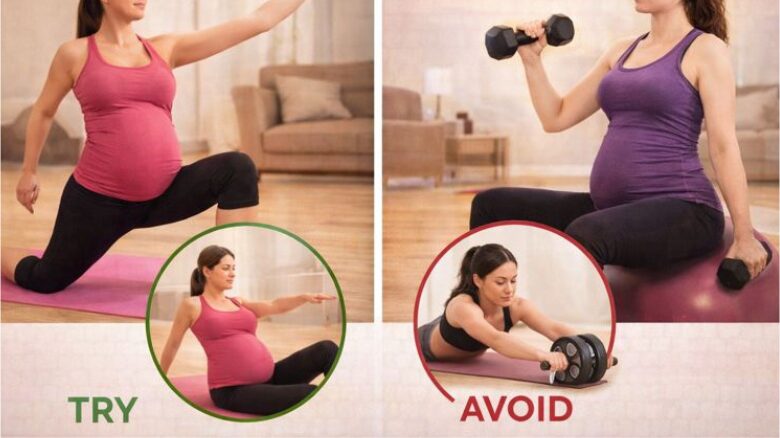
Pregnancy is an exciting journey filled with wonder and change. As your body nurtures a new life, staying active can significantly benefit both you and your baby. But how do you strike the right balance between staying fit and ensuring safety? With all the advice swirling around, it might feel like navigating a maze. Fear not, for this article is your guiding light. Discover safe exercise routines tailored for expectant mothers, and learn what activities are best left for another time. By staying informed, you empower yourself to make the best decisions for you and your little one.
Have you ever wondered which exercises are truly safe during pregnancy, and which might be better avoided?
Key Takeaways
- Discover the safe exercises that align with the unique needs of pregnant women
- Uncover the activities to avoid for maintaining a safe pregnancy journey
- Learn about the benefits of staying active for both mother and baby
- Explore expert tips for modifying exercises to suit your trimester
- Get inspired by a video series featuring a fitness expert demonstrating exercises
Safe Exercise During Pregnancy: What to Try & What to Avoid
When you're expecting, exercise isn't just about keeping fit; it's a way to enhance your overall well-being. It boosts your mood, improves sleep, and prepares your body for labour. However, the key lies in choosing the right activities. While some exercises are highly beneficial, others could pose risks. Let's delve into the world of prenatal fitness and uncover the dos and don'ts.
Exercises to Try
1.Walking: One of the simplest and most effective exercises, walking keeps you fit without jarring your knees and ankles. It's an easy way to start if you weren't active before pregnancy. Aim for a brisk 30-minute walk most days. If you're new to walking, start slowly and gradually increase your pace and distance
2.Swimming: Often dubbed as the perfect pregnancy workout, swimming provides a full-body workout while relieving the pressure on your joints. The buoyancy of water offers a sense of weightlessness, making it easier to move and reducing the risk of injury. Plus, it's a great way to cool down, especially in warmer climates
3.Prenatal Yoga: Yoga focuses on breathing and relaxation, which can be particularly beneficial during labour. It enhances flexibility, strengthens muscles, and improves balance. Opt for a prenatal class where poses are tailored for expectant mothers. Avoid poses that require lying flat on your back or deep twists
4.Stationary Cycling: If you enjoy cycling, consider using a stationary bike. It reduces the risk of falls and provides a cardiovascular workout that's easy on the joints. Adjust the seat and handlebars to accommodate your growing belly for maximum comfort
5.Low-Impact Aerobics: Aerobic classes designed for pregnant women can boost your heart rate while being gentle on your body. These classes often incorporate elements of dance, which can make the workout fun and engaging. Ensure the instructor knows you're pregnant to offer appropriate modifications
Exercises to Avoid
1.Contact Sports: Activities like football, basketball, or any sport involving physical contact should be avoided as they pose a risk of abdominal trauma. The safety of your baby is paramount, and it's best to steer clear of any potential harm
2.High-Impact Activities: Exercises that involve jumping, bouncing, or sudden changes in direction can strain your joints and increase the risk of falls. Your body undergoes many changes, and maintaining balance becomes more challenging
3.Hot Yoga or Hot Pilates: Elevated body temperatures are a concern during pregnancy, and activities performed in high heat should be avoided. They can lead to overheating, which isn't safe for you or your baby
4.Deep Diving or Scuba Diving: Changes in pressure can be dangerous during pregnancy, potentially affecting the baby. Stick to water-based activities that keep you afloat rather than submerged
5.Exercises Lying on Your Back: After the first trimester, exercises that require lying flat on your back can put pressure on your vena cava, a major vein, and reduce blood flow to your baby. Modify these exercises to accommodate your changing body
Benefits of Staying Active
Engaging in regular exercise during pregnancy has numerous benefits. It can help manage weight gain, reduce pregnancy-related discomforts like back pain and swelling, and improve your stamina and muscle strength. Studies show that active mothers often experience shorter labours and have a lower risk of gestational diabetes and hypertension. Moreover, exercise releases endorphins, which can uplift your mood and help combat pregnancy-related mood swings.
Modifying Exercises for Each Trimester
As your pregnancy progresses, your exercise routine should adapt to your changing needs. During the first trimester, focus on maintaining your current fitness level rather than pushing boundaries. The second trimester might be your most comfortable, so it's a great time to build strength and endurance. As you enter the third trimester, prioritise gentle, low-impact exercises to accommodate your growing belly and prepare your body for childbirth.
Expert Tips and Video Series
For visual learners, a video series featuring a fitness expert can be incredibly beneficial. Watching demonstrations of safe exercises provides clarity and confidence. Look for videos where instructors offer modifications for different trimesters and discuss the importance of listening to your body. Remember, it's crucial to stay hydrated, avoid overheating, and stop any exercise that causes pain or discomfort.
Conclusion
Staying active during pregnancy requires a thoughtful approach, balancing safety and fitness. By choosing the right exercises and avoiding those that pose risks, you create a nurturing environment for your baby's growth. Embrace the journey with informed choices and enjoy the benefits of a healthy, active pregnancy.