


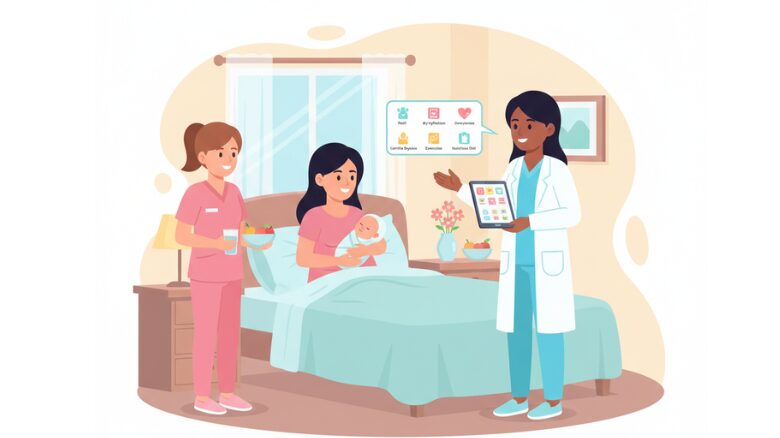
Giving birth is a profound physical achievement, and the weeks that follow delivery, commonly referred to as the fourth trimester, represent a period of significant physical recovery and emotional adjustment for every new mother. Whether you delivered vaginally or by caesarean section, your body has undergone remarkable physiological changes and now needs deliberate, attentive, and consistent care to heal properly and fully.
Postpartum recovery looks different for every woman depending on the nature of her delivery, her overall health, the presence of any complications, and the level of support available at home. However, there are gynecologist-approved principles and practices that consistently support faster, healthier postpartum recovery and a smoother, more confident transition into motherhood for all women, regardless of how they delivered. At Harsha Hospitals, our dedicated postnatal care team is committed to supporting every new mother through this important and often challenging recovery period with expertise, compassion, and genuine individual attention.
Physical Rest and a Gradual Return to Activity
In the first two weeks following delivery, physical rest is not optional but is genuinely medically essential to a healthy postpartum recovery. During this critical early period, your uterus is contracting back toward its pre-pregnancy size, any perineal tears or episiotomy incisions are actively healing, your hormone levels are undergoing dramatic and far-reaching shifts, and your cardiovascular system is readjusting to significant changes in blood volume that occurred during delivery. Attempting to resume normal household responsibilities, return to work, or increase physical activity too quickly during this window significantly elevates the risk of prolonged postpartum bleeding, wound breakdown, pelvic organ prolapse, and severe physical and emotional exhaustion that may persist for weeks.
Gynecologists at Harsha Hospitals routinely advise new mothers to avoid lifting anything heavier than their own baby for at least six weeks following both vaginal and caesarean deliveries. Short, gentle walks can be introduced gradually after the first week, but more demanding physical exercise should only be resumed once your postpartum check-up has explicitly confirmed that your healing is progressing fully as expected.
Nutrition, Hydration, and Physical Healing
Postpartum recovery is powerfully and directly supported by adequate, purposeful nutrition. Your body requires increased protein intake to repair all affected tissues, additional iron to replenish the blood lost during delivery and reduce the risk of postpartum anaemia, calcium and vitamin D to support bone strength after the demands of pregnancy, and sufficient overall caloric intake to sustain breastfeeding if you choose to nurse your baby.
Prioritise warm, nourishing, and easy-to-digest meals built around whole grains, fresh leafy greens, lean proteins such as eggs, chicken, and fish, dairy products, cooked lentils and legumes, and healthy fats from nuts, seeds, and ghee. Staying well hydrated throughout the day is equally important for postpartum recovery, particularly for breastfeeding mothers who lose substantial fluid through milk production. Chronic dehydration in the postpartum period contributes directly to persistent fatigue, constipation, delayed wound healing, and a significantly slowed overall recovery process. Harsha Hospitals provides personalised postpartum nutritional guidance as a core component of our comprehensive new mother care and discharge planning programme.
Emotional Wellbeing and Recognising When to Seek Support
Postpartum recovery encompasses emotional health and psychological adjustment as fully and importantly as it encompasses physical healing. The dramatic hormonal fluctuations that occur in the days immediately following delivery commonly cause mood swings, unexpected tearfulness, heightened anxiety, and emotional sensitivity during the first week, a period widely referred to as the baby blues, which typically resolves naturally within ten to fourteen days as hormone levels stabilise.
However, if feelings of persistent and deepening sadness, hopelessness, overwhelming anxiety, intrusive thoughts, or significant difficulty bonding with your newborn continue beyond two weeks or interfere meaningfully with your daily functioning, this may indicate postpartum depression, a recognised and entirely treatable medical condition that affects a substantial number of new mothers across all backgrounds. Harsha Hospitals offers dedicated postpartum mental health screening, counselling, and support services because we firmly believe that a mother's emotional recovery is wholly inseparable from her physical healing. We actively encourage all new mothers to speak openly, honestly, and without any hesitation with their gynecologist about their emotional state throughout the entire postpartum recovery period.