


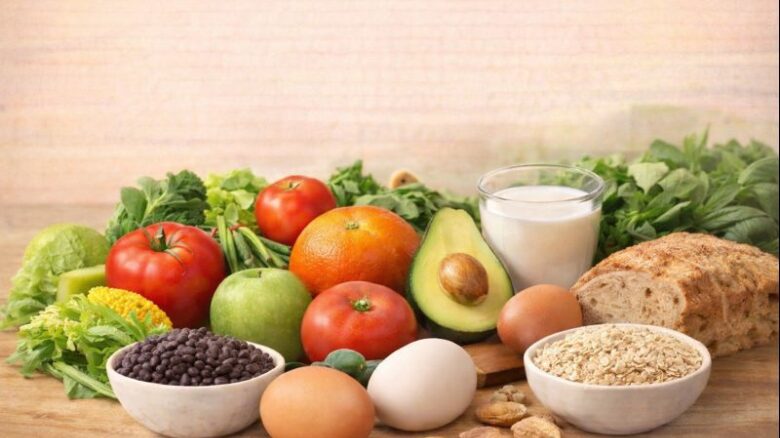
Pregnancy is a remarkable journey, filled with exciting changes and new experiences. But with these changes come new responsibilities, especially when it comes to nutrition. As an expectant mother in India, you're likely eager to give your baby the best start in life. This begins with a well-balanced diet tailored to the needs of each trimester. Eating the right foods can positively influence both your health and the development of your unborn child. So, what's on the menu for this nine-month culinary adventure?
Have you ever wondered how each bite you take influences your baby's growth and your own well-being during those pivotal months of pregnancy?
Key Takeaways
Every trimester of pregnancy has distinct nutritional requirements that support the baby's development and the mother's health
A balanced diet rich in vitamins, minerals, proteins, and healthy fats is crucial throughout pregnancy
Iron, folic acid, and calcium play significant roles in a healthy pregnancy, and their intake should be adjusted as per trimester needs
Maintaining hydration and managing morning sickness are essential aspects of nutrition during pregnancy
Avoiding certain foods and substances is vital to prevent potential risks to the baby and mother
Nutrition Musts in Every Trimester
Embarking on the pregnancy journey requires understanding the essential nutrients you need at each stage. Each trimester comes with its own set of nutritional requirements, which play a critical role in the development of your baby and your health. In India, where traditional diets vary widely across regions, it's important to understand how to incorporate essential nutrients into your meals. Let's break down the must-haves for each trimester.
First Trimester: Building the Foundation
The first trimester is a time of rapid development for your baby. Cells are dividing, organs are forming, and the neural tube, which becomes the brain and spinal cord, is taking shape. During these crucial first three months, you may experience morning sickness, which can make eating a balanced diet challenging. However, focusing on key nutrients can help you and your baby during this foundational stage.
Folic Acid and Folate: One of the most crucial nutrients during the first trimester is folic acid. It's essential for preventing neural tube defects. Aim to include foods rich in folate, such as leafy greens, lentils, and fortified cereals. If you're struggling with nausea, try incorporating folate-rich foods in small, frequent meals throughout the day.
Iron and Vitamin C: Iron supports the increased blood volume that happens during pregnancy, and Vitamin C helps in its absorption. You can find iron in foods like spinach, legumes, and red meat, while citrus fruits, tomatoes, and bell peppers are excellent sources of Vitamin C. Combining these in your meals can maximise iron absorption.
Managing Nausea: Morning sickness can throw a wrench in your dietary plans. Ginger tea, dry toast, or plain crackers can sometimes help alleviate nausea. Eating smaller, more frequent meals instead of large ones can also make a difference. Remember, it's about keeping something down rather than nothing at all.
Second Trimester: Growth and Development
As you move into the second trimester, your baby begins to grow more rapidly. This period often brings relief from morning sickness and an increased appetite. Now's the time to focus on nutrients that support continued growth and development.
Calcium and Vitamin D: Essential for your baby's bone development, calcium can be found in dairy products, fortified plant milks, and leafy greens. Vitamin D supports calcium absorption, so spending time in sunlight or eating fortified foods is beneficial.
Protein Power: Your baby's tissues and organs are developing, and protein is a fundamental building block. Include a variety of protein sources such as lentils, beans, eggs, and lean meats. Try incorporating a mix of dal and whole grains for a complete protein profile in your meals.
Omega-3 Fatty Acids: These are crucial for brain development. Fatty fish like salmon, chia seeds, and walnuts are good sources. If you're vegetarian, consider algae-based supplements after consulting your doctor.
Third Trimester: Preparing for Birth
In the final trimester, your baby's growth accelerates, and their organs start to mature in preparation for birth. This is the time to maximise your nutritional intake to support the baby's final growth spurt and prepare your body for delivery.
Iron Intake: As your blood volume increases even more, iron becomes critically important to avoid anaemia. Focus on iron-rich foods and continue pairing them with Vitamin C-rich foods for optimal absorption.
Fibre for Digestion: With your growing uterus pressing on your intestines, constipation can be a common issue. Eating a diet high in fibre can help. Focus on whole grains, fruit, and vegetables to keep things moving smoothly.
Hydration and Electrolytes: Staying hydrated is crucial, especially as you approach your due date. Water, coconut water, and fresh juices can help maintain your fluid levels and provide essential electrolytes.
Conclusion
Throughout pregnancy, your nutritional needs will evolve, requiring adjustments to your diet to support both you and your baby. Eating a variety of nutrient-dense foods is key, and avoiding potential risks like unpasteurised dairy, certain seafood, and excessive caffeine is just as important. Remember, each meal is an opportunity to nourish both yourself and your growing baby.
As you progress through each trimester, take the time to listen to your body and adapt your diet accordingly. This can be a time of great discovery and learning, setting the stage for a healthy pregnancy and beyond.
Pregnancy nutrition plays a vital role in maternal and fetal health. Harsha Hospitals offers expert nutritional counseling to ensure balanced intake of vitamins, minerals, and essential nutrients. Our guidance supports healthy weight gain, baby development, and overall pregnancy wellness.