


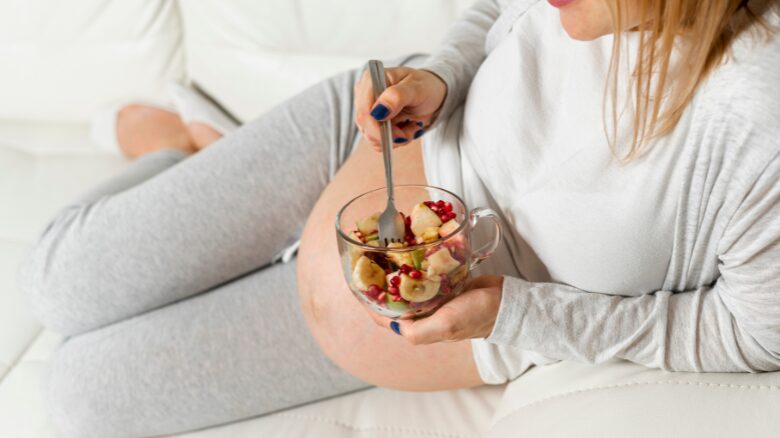
Pregnancy is a time of profound change and anticipation, where every decision counts, especially when it comes to nutrition. Your body becomes a nurturing vessel, supporting the growth and development of your precious little one. Eating the right foods not only fuels your body but also provides the essential nutrients your baby needs. Iron, calcium, and protein emerge as the unsung heroes in this transformative journey, playing pivotal roles in ensuring a healthy pregnancy for you and your baby. These building blocks work tirelessly behind the scenes, crafting a foundation for a healthy life ahead.
Have you ever wondered how the nutrients you consume impact the tiny life growing inside you?
Iron, Calcium, and Protein: Building Blocks of a Healthy Pregnancy
During pregnancy, your body requires additional nutrients, with iron, calcium, and protein taking centre stage. These nutrients aren't just dietary suggestions; they are pivotal players in your baby's development and your health. Iron is vital for producing extra blood (haemoglobin) for you and your baby during pregnancy. Calcium fortifies your baby’s growing bones and teeth, and protein serves as the building block for cells, tissues, and muscles.
Iron: The Oxygen Carrier
Iron, a critical component of haemoglobin, facilitates the transport of oxygen from your lungs to the rest of your body and your baby. During pregnancy, your blood volume increases by about 50%, amplifying the need for iron. Insufficient iron levels can lead to anaemia, a condition that can leave you feeling exhausted and may impact your baby's growth.
Including iron-rich foods in your diet is crucial. Leafy greens like spinach and kale, legumes such as lentils and beans, and lean meats like chicken and fish are excellent sources. To boost iron absorption, pair these with vitamin C-rich foods like oranges, strawberries, or bell peppers. Did you know that consuming tea or coffee with meals can inhibit iron absorption? It's advisable to enjoy these beverages between meals instead.
Calcium: The Bone Builder
Calcium is indispensable for developing strong bones and teeth in your baby and maintaining your skeletal health. During pregnancy, if you don’t consume enough calcium, your body will draw it from your bones, which can affect your health in the long run.
Incorporate dairy products such as milk, yoghurt, and cheese into your diet. If you’re lactose intolerant, fortified plant-based milk like almond or soy milk can be a great alternative. Don't forget about other sources like broccoli, almonds, and tofu. Interestingly, absorption of calcium from vegetables like broccoli is higher compared to dairy products. Yet, a balanced intake from various sources is recommended.
Protein: The Tissue Developer
Protein plays a fundamental role in the growth of your baby’s tissues and organs, including the brain. It also aids in increasing your blood supply, allowing more blood to be sent to your baby.
During pregnancy, your protein needs increase. Lean meats, poultry, fish, eggs, beans, and nuts offer rich sources of protein. For vegetarians, combining grains with legumes, such as rice with beans, can ensure you get all the essential amino acids. Did you know that an egg contains approximately 7 grams of protein? Including a couple of eggs in your diet can help meet your daily protein requirements.
Balancing Your Diet
Balancing your intake of these nutrients is key. Diversifying your meals can help you cover all nutritional bases. For instance, a breakfast of fortified cereal with milk and a glass of orange juice can kickstart your day with calcium, iron, and vitamin C. Snack on a handful of almonds or a boiled egg for a protein boost.
Foods to Avoid
While it's essential to focus on what to eat, knowing what to avoid is equally important. Limit your intake of high-mercury fish such as shark, swordfish, and mackerel. These can impact the developing nervous system of your baby. Additionally, cut back on caffeine to minimise risks of low birth weight and preterm birth. Instead, hydrate with water or herbal teas.
Maintaining a Healthy Diet Throughout Pregnancy
Maintaining a healthy diet can sometimes feel like a juggling act, especially with pregnancy cravings thrown into the mix. However, establishing a meal plan that prioritises nutrient-rich foods can make a world of difference.
Meal Planning Tips
Start by planning your meals around your nutrient needs. Incorporate a variety of foods to cover all your bases. For instance, a lunch comprising a spinach salad with grilled chicken and a side of chickpeas can provide iron and protein. Adding a sprinkle of cheese or a cup of yoghurt can complete your calcium needs.
Stay Hydrated
Water plays a pivotal role in supporting your increased blood volume and amniotic fluid levels. Aim for at least 8-10 glasses of water a day. If plain water doesn’t appeal to you, try infusing it with slices of lemon, cucumber, or mint for a refreshing twist.
Smart Snacking
Snacking smart can help keep your energy levels stable and curb unhealthy cravings. Opt for nutrient-dense snacks like nuts, fruit, or yoghurt. A simple smoothie made with almond milk, spinach, a banana, and a spoonful of peanut butter can be both satisfying and nutritious.
Listen to Your Body
Every pregnancy is unique, and so are your nutritional needs. Listen to your body’s hunger cues and nourish it accordingly. Some days, you may need more protein; on others, calcium may be the priority. Trust your instincts and consult with your healthcare provider to tailor your diet to your needs.
Conclusion
Navigating the nutritional needs of pregnancy can be a journey filled with discovery and mindfulness. By focusing on iron, calcium, and protein, you're laying a robust foundation for your baby’s growth and your well-being. Balancing these nutrients through a diverse diet, staying hydrated, and making informed food choices can transform your pregnancy experience into a nourishing one.