


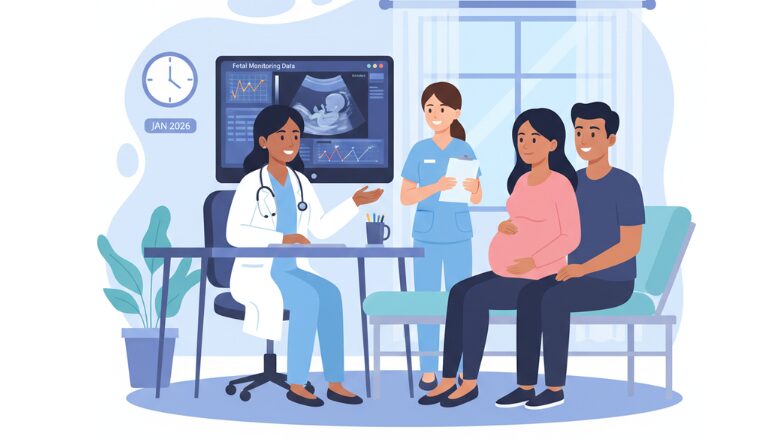
A high-risk pregnancy is one where the mother, baby, or both may face increased health risks before, during, or after delivery. At Harsha Hospitals, our experienced gynecologists carefully assess every expectant mother to ensure early identification and management of potential complications. Understanding why extra monitoring is recommended can help you feel more confident and prepared.
What Makes a Pregnancy High-Risk?
Several factors may categorize a pregnancy as high-risk. These include maternal age (below 17 or above 35), pre-existing medical conditions such as diabetes, hypertension, thyroid disorders, heart disease, or autoimmune conditions. Multiple pregnancies (twins or more), history of miscarriage, preterm birth, or cesarean sections may also increase risk levels.
Lifestyle factors such as obesity, smoking, or nutritional deficiencies can contribute as well. In some cases, complications like gestational diabetes, preeclampsia, placenta previa, or fetal growth restriction may develop during pregnancy, requiring close supervision.
Obesity, a documented history of previous pregnancy complications such as preeclampsia, preterm labour, or recurrent miscarriage, carrying multiples including twins or triplets, and certain chromosomal or structural foetal abnormalities detected during early screening investigations also place a pregnancy within the high-risk classification. At Harsha Hospitals, our experienced gynecology team conducts thorough initial assessments to identify all relevant risk factors early and establish an appropriately enhanced, individually tailored monitoring plan from your very first antenatal consultation with us.
Why Extra Monitoring Is Important
When a pregnancy is classified as high-risk, increased monitoring is not a cause for anxiety but rather a proactive, evidence-based strategy specifically designed to protect both mother and child. More frequent prenatal visits allow your gynecologist to track changes in blood pressure, blood glucose levels, foetal growth measurements, and amniotic fluid volume at intervals that provide the earliest possible warning of any emerging complications. Additional investigations including detailed anomaly ultrasound scans, foetal Doppler studies that measure blood flow through the placenta and umbilical cord, non-stress tests that assess foetal heart rate responses to movement, and specialised blood panels including full blood count, liver function tests, and clotting profiles are all commonly employed in high-risk pregnancy management.
These investigations together build a comprehensive, continuously updated picture of how both mother and baby are progressing through each week of gestation and allow the medical team to intervene quickly, decisively, and effectively if any concerning changes or warning signs are identified during the monitoring process.
At Harsha Hospitals, high-risk pregnancies are managed through advanced diagnostic tools including detailed ultrasounds, Doppler studies, non-stress tests (NST), and regular blood investigations. Our multidisciplinary team works closely with neonatologists and anesthesiologists to ensure safe outcomes.
Personalized Care for High-Risk Pregnancy
At Harsha Hospitals, high-risk pregnancies are managed through a carefully coordinated multidisciplinary approach that brings together experienced obstetricians, maternal-foetal medicine consultants, neonatologists, and highly specialised clinical nursing staff all under one roof. Our dedicated high-risk antenatal clinic provides highly personalised, thoroughly structured care plans precisely tailored to each patient's specific risk profile, complete medical history, and individual circumstances, ensuring that every monitoring appointment, diagnostic investigation, and clinical decision is guided by the most current and rigorously evidence-based protocols available. We combine advanced diagnostic technology with compassionate, patient-centred communication so that mothers navigating a high-risk pregnancy always feel genuinely heard, respected, and supported throughout every stage of their experience.
Our team understands that the emotional dimension of a high-risk pregnancy is as important as the clinical one, and we make every effort to ensure that you and your family feel informed, reassured, and confident in the care you are receiving at Harsha Hospitals. With the right medical team and appropriate monitoring in place, the vast majority of high-risk pregnancies result in healthy, positive outcomes for both mother and baby.