


|
Read Now
Getting your Trinity Audio player ready...
|
Pregnancy is often described as one of the most beautiful journeys in a woman’s life—but not every journey is smooth. For some women, pregnancy comes with added challenges that require closer medical attention. This is where high-risk pregnancy screenings and tests play a vital role. These specialized evaluations help ensure both the mother and baby remain safe throughout the pregnancy.
But wait, let me clear something up before we get into this topic
Many expectant mothers worry that undergoing multiple scans and screening tests during pregnancy might cause harm to the baby, leading some to avoid them altogether. This concern is understandable, but in most cases, it is based on myths rather than medical facts. Routine screenings like ultrasounds and blood tests are considered safe and essential, especially in high-risk pregnancies. Ultrasound scans use sound waves—not radiation—making them harmless when performed under medical supervision. Similarly, blood tests and non-invasive screenings pose no risk to the baby. Avoiding these tests without a doctor’s advice can actually be a risky decision, as it may delay the detection of potential complications such as growth issues, genetic conditions, or maternal health concerns.
Early diagnosis through these screenings allows doctors to take timely action, ensuring better outcomes for both mother and baby. However, it is also important to avoid unnecessary or excessive testing without a medical indication. The best approach is to follow your doctor’s recommendations, ask questions, and stay informed. In short, when guided by a qualified healthcare professional, these tests are not harmful—they are protective measures designed to support a safe and healthy pregnancy journey.
A high-risk pregnancy doesn’t mean something will go wrong—it simply means extra care is needed. With the right medical guidance, advanced screening methods, and timely interventions, many women with high-risk pregnancies go on to deliver healthy babies. Understanding the importance of these screenings can make all the difference.
What Is a High-Risk Pregnancy?
A pregnancy is termed high-risk when there are increased chances of complications affecting the mother, baby, or both. Several factors can contribute to this, including:
- Maternal age (below 18 or above 35)
- Pre-existing medical conditions like diabetes or hypertension
- Previous pregnancy complications
- Multiple pregnancies (twins or more)
- Lifestyle factors such as smoking or poor nutrition
Every pregnancy is unique. Every precaution matters.
Why Are Screenings Important?
High-risk pregnancy screenings are designed to detect potential issues early. Early detection allows doctors to:
- Monitor fetal development closely
- Manage maternal health conditions effectively
- Prevent complications before they become serious
- Plan a safe delivery strategy
Early awareness leads to better care. Better care leads to safer outcomes.
Key Screenings and Tests in High-Risk Pregnancy
1. Ultrasound Scans
Ultrasound scans are one of the most common and essential tools in pregnancy monitoring. In high-risk cases, more frequent ultrasounds may be required to track the baby’s growth, amniotic fluid levels, and placental position.
- Helps detect structural abnormalities
- Monitors fetal growth patterns
- Assesses blood flow through Doppler studies
2. Blood Tests
Routine and specialized blood tests help identify infections, genetic conditions, and overall maternal health.
Common tests include:
- Complete blood count (CBC)
- Blood sugar levels (for gestational diabetes screening)
- Thyroid function tests
- Genetic screening tests
Healthy mother, healthy baby—it starts with the basics.
3. Non-Invasive Prenatal Testing (NIPT)
This advanced screening test analyzes fetal DNA present in the mother’s blood to detect chromosomal abnormalities like Down syndrome.
- Safe and non-invasive
- Highly accurate results
- Recommended for women above 35 or with a family history
4. Amniocentesis
Amniocentesis involves extracting a small amount of amniotic fluid to test for genetic disorders and infections.
- Provides definitive diagnostic results
- Usually recommended in specific high-risk cases
- Helps in early decision-making
5. Chorionic Villus Sampling (CVS)
This test is performed earlier than amniocentesis and involves sampling placental tissue.
- Detects genetic abnormalities
- Conducted between 10–13 weeks
- Helps in early diagnosis
6. Glucose Screening Test
Gestational diabetes is a common concern in high-risk pregnancies. This test checks how your body processes sugar.
- Early detection prevents complications
- Helps manage diet and insulin if required
7. Non-Stress Test (NST)
NST measures the baby’s heart rate in response to movements.
- Indicates fetal well-being
- Non-invasive and painless
- Often repeated regularly in high-risk cases
Important Points to Remember
 Consistency is key: Never skip scheduled tests or doctor visits
Stay informed: Ask questions and understand your reports
Follow medical advice strictly: Diet, medications, and lifestyle matter
Emotional health matters too: Stay calm and positive
Care is not just medical—it’s emotional, mental, and physical.
Managing a High-Risk Pregnancy
Managing a high-risk pregnancy involves a combination of medical care and lifestyle adjustments:
- Regular prenatal checkups
- Balanced nutrition rich in essential nutrients
- Adequate rest and stress management
- Avoiding harmful substances
- Monitoring fetal movements
Daily progress, no matter how small, leads to great achievements.
When Should You Consult a Doctor Immediately?
Seek medical help right away if you experience:
- Severe abdominal pain
- Bleeding or unusual discharge
- Persistent headaches or blurred vision
- Reduced baby movements
- Sudden swelling in the hands or face
Never ignore warning signs. Your instincts matter.
Emotional Support During High-Risk Pregnancy
A high-risk pregnancy can feel overwhelming, but emotional support plays a huge role in ensuring a positive experience.
- Talk openly with your healthcare provider
- Seek support from family and friends
- Consider prenatal counseling if needed
You are not alone in this journey. Support makes it stronger.
Choosing the Right Hospital Matters
When it comes to high-risk pregnancy care, choosing the right hospital and doctor is crucial. Harsha Hospitals is one of the best hospitals in Hyderabad, known for its advanced medical facilities and compassionate care.
Under the expert supervision of Dr. M Neetha, one of the best gynecologists, the hospital ensures that every high-risk pregnancy is managed with precision and care. She takes care of the day-to-day operations and ensures every patient receives personalized attention.
Expert care. Trusted hands. Safe motherhood.
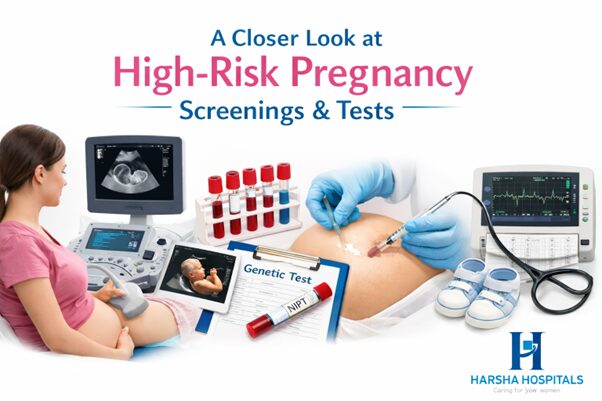
A Closer Look at High-Risk Pregnancy Screenings & Tests
Understanding high-risk pregnancy screenings and tests empowers expectant mothers to take control of their health journey. These screenings are not meant to create fear—they are tools designed to provide clarity, confidence, and care.
With medical advancements, early detection, and expert guidance, even high-risk pregnancies can lead to safe and joyful outcomes. The key lies in awareness, timely action, and choosing the right healthcare partner.
Conclusion
Pregnancy is a journey filled with hope, anticipation, and love. Even when challenges arise, the right screenings and tests can ensure that both mother and baby are protected every step of the way.
If you or your loved one is experiencing a high-risk pregnancy, don’t wait. Take proactive steps, stay informed, and trust expert care.
Visit Harsha Hospitals today for the best pregnancy care and guidance. Book your appointment with Dr. M Neetha and ensure a safe and healthy journey into motherhood.
Because every mother deserves the best care, every baby deserves the safest start.