


|
Read Now
Getting your Trinity Audio player ready...
|
A complete guide to postpartum gynecological health and healing. Learn physical and emotional recovery tips, traditional Indian postpartum care, and why Harsha Hospitals, with Dr. M Neetha, offers the best postpartum care in Hyderabad.
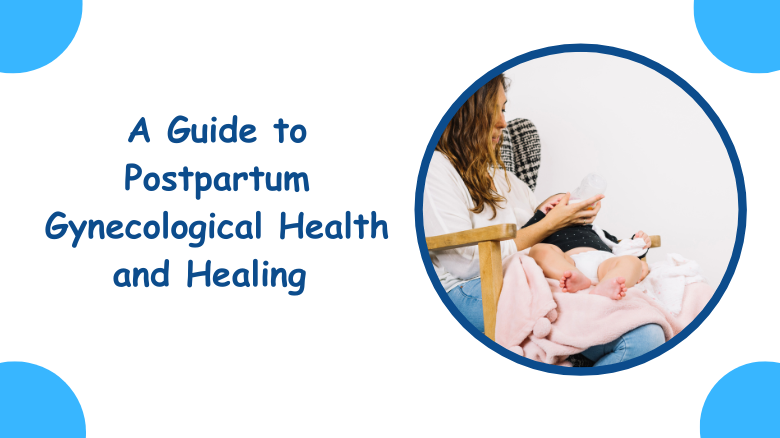
Becoming a mother is a beautiful transformation—one that brings joy, tenderness, and an overwhelming sense of purpose. When a woman holds her newborn for the first time, the world instantly feels softer, kinder, and more meaningful. But behind this magical moment, her body begins an equally important journey—postpartum gynecological health and healing. Many women prepare well for pregnancy but enter motherhood without complete awareness of the changes their bodies will experience after childbirth. This is why A Guide to Postpartum Gynecological Health and Healing becomes essential for every new mother, ensuring she is informed, confident, and emotionally supported during the fourth trimester.
The postpartum phase is a blend of hormonal shifts, physical recovery, emotional adjustments, and lifestyle changes. When understood fully, this period becomes smoother, healthier, and far more empowering.
Understanding Postpartum Gynecological Changes
The body undergoes a significant transformation after childbirth. These changes are natural, and knowing what to expect reduces fear and uncertainty.
1. Vaginal Recovery
During a normal delivery, the vaginal muscles stretch considerably. Mild soreness, swelling, or discomfort is normal for a few weeks. Women who have stitches may require slightly more time to feel normal again.
Warm sitz baths, avoiding heavy lifting, and keeping the area clean help speed healing.
2. Lochia (Postpartum Bleeding)
Postpartum bleeding is the body’s way of cleansing the uterus. It lasts between two and six weeks, slowly reducing from bright red to pale pink or brown.
Call your doctor if bleeding becomes extremely heavy or foul-smelling.
3. Hormonal Shifts
After delivery, estrogen and progesterone levels drop rapidly. This leads to:
- Emotional fluctuations
- Sleep disturbances
- Night sweats
- Temporary hair fall
These changes are temporary and usually settle within two to three months.
4. Uterine Involution
The uterus begins shrinking to its pre-pregnancy size. This process may cause mild cramping, especially while breastfeeding, due to oxytocin release.
5. Breast & Nipple Adjustments
Breastfeeding mothers may face engorgement, nipple pain, or blocked ducts. Correct latching techniques and warm compresses help prevent mastitis.
Emotional and Mental Healing After Childbirth
Motherhood is beautiful, but sometimes we might feel overwhelmed. Recognizing emotional changes is a major part of postpartum healing.
Baby Blues
Nearly 80% of new mothers experience mood swings, crying spells, and irritability within the first two weeks. This is completely normal.
Postpartum Depression
If emotional distress continues beyond two weeks, it may indicate postpartum depression. Signs include:
- Deep sadness
- Emotional withdrawal
- Anxiety
- Lack of interest
- Trouble bonding with the baby
Seeking help early ensures a healthier recovery.
Common Postpartum Gynecological Concerns
Every woman heals differently. Some may have no issues, while others may need medical guidance.
1. Pelvic Floor Weakness
During pregnancy and childbirth, pelvic floor muscles loosen. This can cause urine leakage, discomfort, or reduced support.
Kegel exercises and pelvic physiotherapy strengthen these muscles.
2. Infections
Vaginal and urinary infections are common postpartum. Symptoms include itching, burning, or unusual discharge and should not be ignored.
3. Painful Intercourse
It may take weeks or months before intercourse feels comfortable again. Vaginal dryness due to hormonal changes is common, especially in breastfeeding mothers.
4. Hemorrhoids
Constipation and strain during delivery can cause painful hemorrhoids. Warm water, fiber-rich food, and hydration help relieve discomfort.
5. Irregular Periods
The menstrual cycle varies for every woman. Breastfeeding mothers may not get their periods for months, which is completely normal.
Tips for Healthy Postpartum Gynecological Healing
Your body needs patience, nourishment, and gentle care.
1. Eat a Balanced and Nutrient-Rich Diet
The right foods accelerate healing. Include:
- Iron-rich foods: spinach, millets, jaggery
- Calcium sources: ragi, milk, paneer
- Healthy fats: ghee, nuts, seeds
- Hydrating foods: soups, fruits, coconut water
Traditional Indian postpartum diets are especially helpful for strengthening the uterus and supporting lactation.
2. Stay Hydrated
Warm water aids digestion and recovery. Breastfeeding mothers especially need extra hydration.
3. Prioritize Rest
Rest is crucial for postpartum health. Sleep when the baby sleeps and avoid overexertion.
4. Gentle Activity
Begin with slow walking. After medical approval, start pelvic floor exercises to rebuild core strength.
5. Maintain Hygiene
Cleanliness prevents infections. Use soft cotton pads, breathable clothing, and avoid harsh soaps.
6. Keep Regular Gynecologist Visits
Postpartum checkups ensure everything is healing correctly and help detect issues early.
Traditional Indian Postpartum Healing Methods
India has a rich history of traditional postpartum care that has supported women for generations.
Warm, Easy-to-Digest Foods
Homemade khichdi, porridges, and lightly spiced meals enhance digestion and healing.
Herbal Drinks
Ajwain water, methi water, turmeric milk, and traditional kashayams reduce inflammation and boost immunity.
Postpartum Massage
Oils like sesame or coconut improve blood circulation, reduce muscle stiffness, and promote relaxation.
Belly Binding
A cloth or belt tied around the abdomen supports the uterus and abdominal muscles, helping them regain strength.
These methods are effective when practiced under proper guidance and combined with modern medical care.
When to Seek Immediate Medical Attention
Contact your doctor immediately if you notice:
- Heavy or prolonged bleeding
- Severe abdominal pain
- Painful lumps in the breast
- High fever
- Foul-smelling discharge
- Persistent sadness or emotional imbalance
Early treatment prevents complications.
Why Postpartum Gynecological Health Matters
Postpartum care shapes long-term reproductive health. Proper healing reduces risks of infections, hormonal imbalance, pelvic organ prolapse, and chronic pain. When mothers focus on recovery, they regain strength faster, feel emotionally stable, and enjoy motherhood more fully.
Postpartum Care at Harsha Hospitals
If you’re seeking reliable and compassionate postpartum care, Harsha Hospitals is one of the best hospitals in Hyderabad, known for its patient-centered approach.
Under the leadership of Dr. M Neetha, one of the best gynecologists in Hyderabad, the hospital ensures:
- Personalized postpartum treatment plans
- Scientific and traditional healing support
- Expert lactation guidance
- Emotional and mental health monitoring
- Safe and comfortable recovery environment
Her gentle approach, accurate diagnosis, and high success rate make her a trusted name among mothers.
Begin Your Healing Journey with Confidence
Postpartum healing is a blend of physical recovery, emotional balance, and self-love. When you receive the right care, guidance, and support, motherhood becomes a joyful and empowering experience.
If you want safe, compassionate, and expert postpartum gynecological care, Harsha Hospitals welcomes you.
With Dr. M Neetha’s expertise, you receive exceptional postpartum support throughout your healing journey.
Visit Harsha Hospitals today and take the first step toward a smooth and healthy postpartum recovery. Your well-being matters.